
Searching for a trusted neurosurgery hospital in Kandivali when you or someone you love is facing a brain or spine condition is one of the most stressful things a family can go through. The medical terminology is confusing. The options feel overwhelming. And the stakes your health, your function, your life could not be higher.
If you are looking for clear, honest, practical answers right now, you are in exactly the right place.
Neurosurgery Hospital in Kandivali Explained in Plain English No Medical Jargon
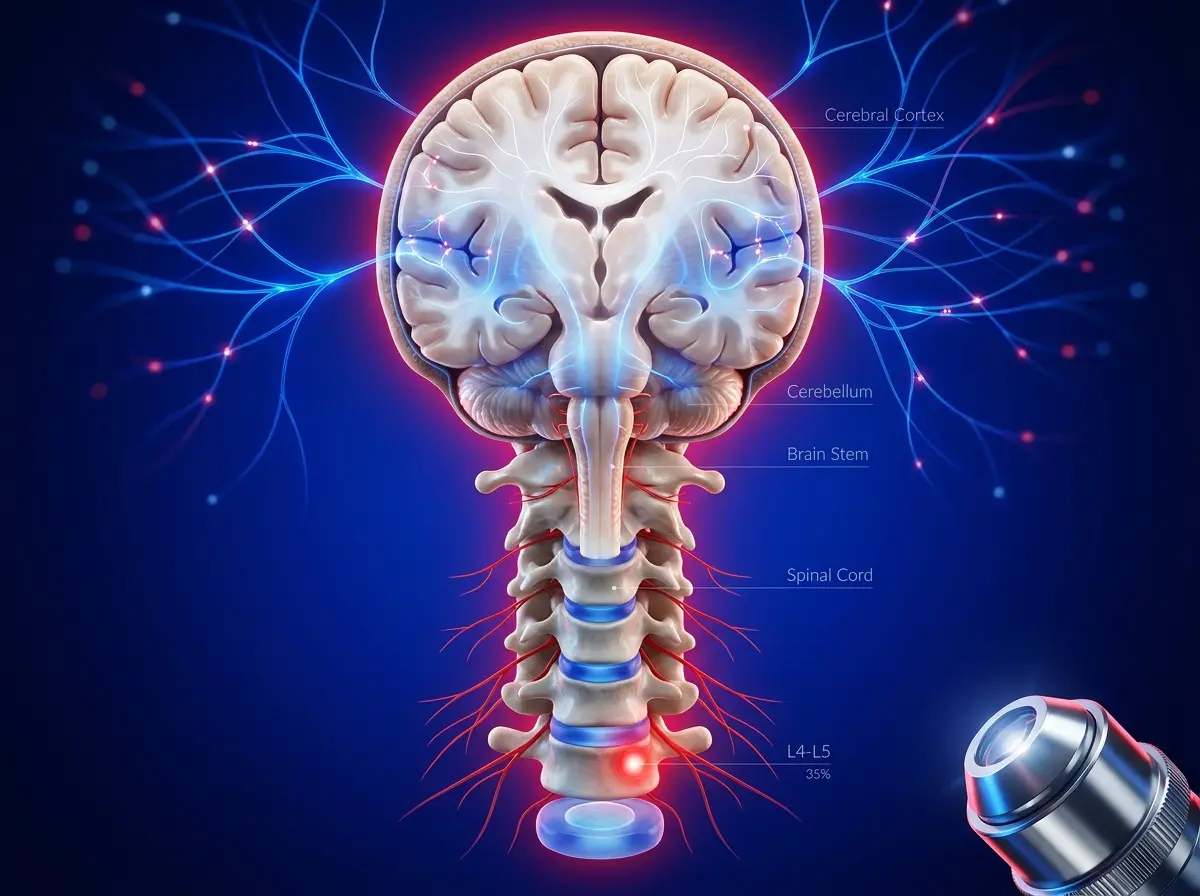
A neurosurgery hospital in Kandivali is not simply a hospital that occasionally performs brain operations. A genuine neurosurgical facility is a comprehensively equipped medical centre where specialists diagnose, manage, and when necessary surgically treat conditions affecting the brain, spinal cord, and the nerves that connect them to the rest of your body.
Think of the brain and spinal cord as the body’s master electrical system. When there is a fault a compressed wire, a short circuit, a structural failure everything downstream can be affected: movement, sensation, memory, bladder control, even breathing. A neurosurgery hospital in Kandivali exists to find that fault, understand it precisely, and fix it with the least possible disruption to everything around it.
Not every neurosurgical case ends in the operating theatre. In fact, many patients who visit a best brain surgery hospital in Mumbai receive excellent outcomes through medical management alone. Surgery is a tool used precisely, when needed, by specialists who know exactly when it will help.
What’s Behind Neurosurgical Conditions? A Risk Factor Breakdown
Understanding what causes brain and spine conditions helps patients make sense of their diagnosis and take meaningful steps toward prevention or early intervention. When evaluating patients at a neurosurgery hospital in Kandivali, our specialists consider a structured risk landscape:
High-Risk Factors – Major Causes Directly Linked to Neurosurgical Conditions:
- Traumatic injury: Road accidents, falls from height, sports trauma, and workplace injuries are the primary drivers of traumatic brain injury (TBI) and spinal fractures in Mumbai. These cases often require urgent intervention at a best brain surgery hospital in Mumbai
- Brain and spinal tumours: Both primary tumours (originating in the brain or spine) and metastatic tumours (spreading from other cancers) can cause compression, bleeding, or neurological deficits requiring surgical management
- Cerebrovascular events: Ruptured aneurysms, arteriovenous malformations (AVMs), and haemorrhagic strokes can require emergency neurosurgical intervention within hours of onset
Moderate-Risk Factors – Contributing Factors That Increase Likelihood:
- Age-related spinal degeneration: Discs naturally lose height and hydration after 35; vertebral joints develop arthritis; the spinal canal narrows creating the conditions for nerve compression that frequently requires spine surgery treatment in Kandivali
- Uncontrolled hypertension: Chronically elevated blood pressure significantly increases the risk of brain haemorrhage and stroke, both of which may require neurosurgical intervention
- Diabetes and metabolic disease: Peripheral neuropathy, accelerated vascular disease, and impaired healing all complicate neurosurgical conditions in diabetic patients
Lifestyle Factors — Modifiable — You Can Take Control Today:
- Sedentary lifestyle and poor posture: Prolonged desk work without ergonomic support accelerates disc degeneration and spinal stenosis
- Obesity: Excess body weight increases mechanical load on the spine dramatically — every extra kilogram adds disproportionate stress to lumbar discs
- Failure to use helmets and seatbelts: Consistently the most preventable cause of traumatic brain injury in Indian urban populations
Did You Know?
Studies show that up to 60% of patientswho eventually require neurosurgical intervention first ignored or self-medicated their symptoms for more than 6 months delaying diagnosis and allowing conditions to progress to the point of surgical necessity. Seeking early assessment at a neurosurgery hospital in Kandivali can prevent this entirely.
Your 3-Step Prevention Mini-Action Plan:
- Wear your helmet every single time you ride a two-wheeler, no matter the distance
- Get a spine assessment if you have had persistent back or neck pain for more than 4 weeks
- Control your blood pressure and blood sugar with regular monitoring and medical guidance these are the two most powerful modifiable risk factors for neurological conditions
How a Neurosurgery Hospital in Kandivali Diagnoses Your Condition: Step by Step
One of the most anxiety-provoking parts of any neurosurgical journey is not knowing what to expect. Here is exactly what happens no surprises when you visit a neurosurgery hospital in Kandivali like RMS Multispeciality Hospital:
Step 1: Initial Consultation
Your neurosurgeon begins with a detailed conversation when did symptoms start? How have they changed? What makes them better or worse? This history is not small talk it is diagnostic intelligence. The more precisely you describe your experience, the more accurately your specialist can direct the investigation.
Step 2: Neurological Physical Examination
A systematic neurological exam follows testing your reflexes, grip strength, sensation in fingertips and toes, balance, coordination, and cognitive responses. This takes approximately 15–20 minutes and is painless. It gives your neurosurgical specialist in Mumbai a functional map of your nervous system before any imaging is done.
Step 3: Diagnostic Imaging & Laboratory Tests
Based on the clinical findings, your specialist will recommend specific investigations:
- MRI — the gold standard for soft tissue brain and spinal cord detail
- CT Scan — essential for acute trauma, bone assessment, and bleeding detection
- Digital X-Ray — for spinal alignment evaluation (available in-house at RMS Hospital)
- Ultrasonography (USG) — for specific vascular and soft tissue assessments (available at RMS)
- Blood investigations — routine panels, inflammatory markers, tumour markers where indicated (RMS in-house laboratory)
Step 4: Results & Specialist Interpretation
Your results are reviewed by your neurosurgeon and, where relevant, discussed in a multidisciplinary team review. At RMS Multispeciality Hospital, results are communicated to patients in plain, clear language what was found, what it means, and what your options are. No medical jargon. No information withheld.
Step 5: Personalised Treatment Planning
Your treatment plan is built around you your specific diagnosis, your age, your overall health, your lifestyle, and your goals. At RMS, every patient receives a personalized, evidence-based care pathway not a one-size-fits-all protocol.
Neurosurgery Hospital in Kandivali Treatment Options in 2026: Which Is Right for You?
The right treatment for a neurosurgical condition depends on the diagnosis, severity, and the individual patient. Here is a clear comparison of the options available at RMS Multispeciality Hospital the trusted neurosurgery hospital in Kandivali:
Option 1: Conservative / Non-Surgical Management
Best for: Patients with early-stage disc herniation, mild spinal stenosis, non-emergency nerve compression, or conditions responding to medication and physiotherapy
How it works: A structured program of targeted physiotherapy, anti-inflammatory medication, nerve-stabilising agents, postural correction, and lifestyle modification is implemented. Progress is monitored at regular intervals. Surgery is deferred as long as clinical improvement continues.
Timeline: 4–12 weeks for initial response assessment; ongoing as clinically appropriate
RMS Availability: Yes General Medicine and specialist-guided conservative management available 24×7
Option 2: Minimally Invasive / Interventional Procedures
Best for: Patients with moderate disc herniation, nerve root compression causing radiculopathy, vertebral compression fractures, or conditions not responding to conservative care
How it works: Procedures such as endoscopic discectomy, image-guided nerve block injections, and percutaneous vertebral interventions are performed through small incisions or needle access minimising tissue disruption, reducing recovery time, and avoiding the risks of open surgery where possible
Timeline: Procedure time: 45–90 minutes. Return to light activity: 1–2 weeks. Full recovery: 3–6 weeks
RMS Availability: Yes Supported by RMS’s advanced OT infrastructure and in-house imaging
Option 3: Open Neurosurgical Procedures
Best for: Patients with severe spinal cord compression, brain tumours, cerebral haemorrhage, complex disc pathology, traumatic brain or spinal injury, or conditions that have failed conservative and minimally invasive approaches
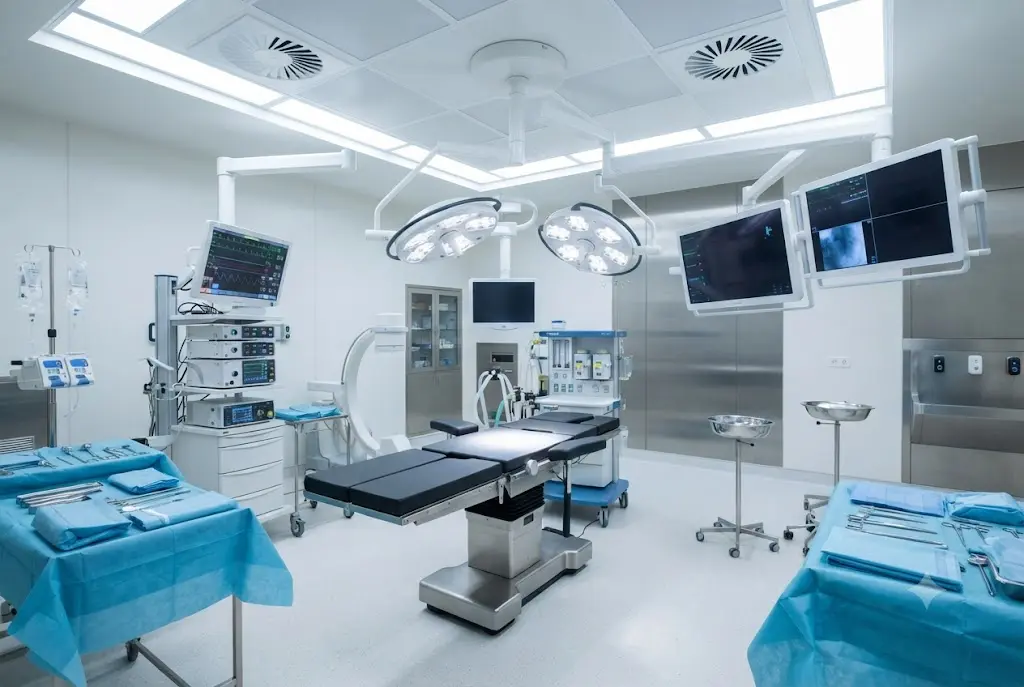
How it works: Surgical intervention is performed under general anaesthesia in RMS’s modular Operation Theatre with full Laminar Air Flow the gold standard for infection control in neurosurgery. Procedures include craniotomy, microdiscectomy, spinal fusion, decompression laminectomy, and microscope-assisted tumour resection using our dedicated neurosurgical operating microscope. Post-operatively, patients are closely monitored in our 13-bedded ICU and ICCU with advanced multiparameter monitoring.
Timeline: Hospital stay: 3–10 days depending on procedure complexity. Return to normal activities: 4–12 weeks
RMS Availability: Yes Full open neurosurgical capability. Modular OT with Laminar Air Flow + Neurosurgical Microscope
“At RMS Multispeciality Hospital, our specialists help you choose the right option based on your unique diagnosis, lifestyle, and goals not a one-size-fits-all protocol. Every decision is made together, transparently, with your full understanding and informed consent.”
As outlined in clinical guidelines by the Mayo Clinic on spinal surgery and neurosurgical intervention, the best neurosurgical outcomes occur when the right treatment is matched to the right patient at the right stage of their condition precisely the individualized approach practised at RMS Multispeciality Hospital.
When patients search for affordable neurosurgery care near me in Kandivali and the wider Mumbai northwest, RMS delivers on every dimension: advanced technology, experienced specialists, transparent pricing, and 24×7 availability all under one roof.
Neurosurgery Hospital in Kandivali Recovery Timeline: Week by Week, What to Expect
Recovery from neurosurgical treatment is a journey not an event. Every patient heals differently, and your RMS care team will guide you at every stage. Here is a realistic, reassuring roadmap:
Days 1–3: Immediate Post-Treatment Phase
You will be monitored closely in the RMS ICU or ward, depending on your procedure. Vital signs, neurological function, and wound status are assessed continuously. Pain is managed proactively you should not suffer in silence. Your nursing team is available at every hour. For minimally invasive procedures, some patients are already mobile within 24 hours.
Week 1–2: Early Recovery Phase
The most critical wound-healing period. Rest is essential. Short, gentle walks are encouraged as cleared by your neurosurgeon prolonged bed rest actually slows recovery. Medications must be taken precisely as prescribed. Wound care instructions are non-negotiable during this window.
Week 3–4: Rehabilitation Phase
Physiotherapy begins gently, progressively. Your therapist and neurosurgeon work in coordination. Specific exercises rebuild strength, restore range of motion, and retrain balance and coordination where needed. Brain and spine treatment options Mumbai patients often notice meaningful functional improvement beginning in this phase.
Month 2–3: Return to Normal Activities
Most patients with minimally invasive procedures are returning to desk work, driving, and normal daily activities by this stage. Open surgical patients are progressing through their rehabilitation plan with increasing independence.
Long-Term: Maintenance & Follow-Up
Regular follow-up appointments at RMS Multispeciality Hospital are non-negotiable not optional. Neurological recovery must be monitored at 3-month, 6-month, and 12-month intervals. Lifestyle modifications weight management, exercise, posture become permanent health habits.
Quick Answers to Your Top Neurosurgery Hospital in Kandivali Questions
Q1: How much does neurosurgery cost at RMS Multispeciality Hospital? Is it genuinely affordable?
A: Yes, affordable neurosurgery care near me is a reality at RMS, not a marketing claim. Costs depend on the procedure, complexity, and duration of inpatient care. RMS maintains transparent, ethical pricing with no hidden charges. Call 9867400293 or WhatsApp us for a detailed, honest cost discussion before any commitment is made.
Q2: How long is recovery after brain or spine surgery at a neurosurgery hospital in Kandivali?
A: Recovery varies significantly by procedure. Minimally invasive spine surgeries often allow walking within 24 hours, with full recovery in 4–6 weeks. Complex brain surgeries may require 4–8 weeks before returning to normal activities. Your RMS neurosurgeon will give you a personalised recovery timeline at your very first consultation no vague answers.
Q3: When is it an emergency? When should I call a neurosurgery hospital in Kandivali immediately?
A: Call 9867400293 immediately if you experience: a sudden severe headache described as “the worst of your life,” loss of bladder or bowel control with back pain, rapidly progressing weakness or numbness on one side, a first-time seizure, or any significant head or spinal trauma. These are time-sensitive neurological emergencies every minute matters.
Q4: What is the difference between a neurologist and a neurosurgeon? Which specialist do I need?
A: A neurologist diagnoses and medically manages brain and nerve conditions without surgery. A neurosurgeon is trained in both diagnosis AND surgical intervention. Many patients begin with neurology and are referred to neurosurgery when surgical management becomes the best option. At RMS a comprehensive neurosurgery hospital in Kandivali both specialties are available, ensuring seamless, coordinated care.
Q5: Does RMS Multispeciality Hospital have the right facilities for complex neurosurgery?
A: Absolutely. RMS is equipped with a modular Operation Theatre with full Laminar Air Flow, a dedicated neurosurgical operating microscope for precision procedures, a 13-bedded ICU and ICCU with advanced monitoring, and in-house diagnostics including X-Ray, USG, and laboratory services. Everything a neurosurgical specialist in Mumbai needs to deliver world-class care available in Kandivali West.
Your 3-Step Action Plan for Neurosurgery Hospital in Kandivali Care Starting Today
You have the information. Now here is exactly what to do with it:
Step 1: Identify Your Symptoms
Go back to the symptom checklist in Section 3. Be honest with yourself — and with your family. If 3 or more boxes apply, your next step is not optional.
Step 2: Contact RMS Multispeciality Hospital
Call 9867400293 or WhatsApp us at the same number to speak with our team, ask questions, or book your specialist consultation. You do not need a referral. You do not need to wait. Our team is available 24×7 including for urgent and emergency presentations.
Step 3: Get Diagnosed & Treated
Let RMS’s expert neurosurgical team create your personalised care plan. From diagnosis to treatment to recovery every step is guided, explained, and supported by specialists who genuinely put patients first.
Book Your Consultation Today
RMS Multispeciality Hospital
Pooja Enclave CHS, 90ft Road, Opp. Ganesh Nagar, Kandivali (West), Mumbai – 400067
Call: 9867400293 | 7304695566
WhatsApp: 9867400293
Email: rmcmedicalservices@gmail.com
24×7 Emergency & Specialist Neurosurgical Care Walk In, Call, or WhatsApp
Because when it comes to your brain and spine waiting is never the right answer.