

The word “surgery” has a way of making everyone tense up. The moment a doctor mentions it, your mind races: Is it serious? Will it hurt? How long is the recovery? Can it be avoided?
Maybe you’ve been told you need your gallbladder removed. Maybe there’s a hernia that’s been getting harder to ignore. Or perhaps a family member has severe abdominal pain and no one is quite sure what’s going on. Whatever brought you here, the uncertainty is often the hardest part.
If you’ve been looking for a dependable general surgery hospital in Kandivali, this guide will help you understand what general surgery actually covers, when it’s genuinely needed, and how to approach the whole process with less fear and more clarity.
What Exactly Is General Surgery?
Despite the name, “general surgery” isn’t vague or basic. It’s a broad and important specialty that deals with surgical treatment of many common but serious conditions, particularly those affecting the abdomen and digestive system.
A general surgeon is trained to diagnose and operate on a wide set of problems. That means the same specialist who removes an inflamed appendix might also repair a hernia or treat gallstones.
A good general surgeon in Kandivali West typically handles conditions such as:
- Appendicitis (an inflamed appendix)
- Gallstones and gallbladder problems
- Hernias in the abdomen or groin
- Certain lumps, cysts, and swellings
- Some digestive and intestinal conditions
- Abscesses and infections needing drainage
- Piles, fissures, and related anal conditions
Not every complaint ends in an operation. Many patients visit a surgeon, get evaluated, and are managed without surgery at all. Surgery is recommended only when it’s the safest, most effective option.
Why Do People Need General Surgery?
Our bodies are complex, and sometimes an organ or tissue reaches a point where medicines alone can’t fix it. Common reasons general surgery in Mumbai is advised include:
- Blockage or inflammation: As with appendicitis or certain intestinal issues
- Structural problems: Like a hernia, where tissue pushes through a weak spot
- Stones or growths: Such as gallstones causing repeated pain
- Persistent pain or infection: That doesn’t respond to other treatment
- Emergency situations: Where quick surgical action is needed to prevent complications
The goal is always to relieve the problem, prevent it from getting worse, and help you return to normal life safely.
The Rise of Minimally Invasive (Laparoscopic) Surgery
Here’s some genuinely reassuring news. Many surgeries that once required large cuts can now often be done through tiny incisions using a technique called laparoscopic surgery in Kandivali.
In simple terms, laparoscopic (or “keyhole”) surgery uses a thin tube with a camera and specialised instruments inserted through small openings. The surgeon watches a screen and operates with precision, without needing to open up a large area.
Compared to traditional open surgery, this approach often offers:
- Smaller cuts and less visible scarring
- Reduced pain after the procedure
- A shorter hospital stay in many cases
- Quicker return to daily activities
- Lower risk of wound-related complications
That said, laparoscopic surgery isn’t suitable for every case. The surgeon decides the best approach based on your specific condition, and sometimes open surgery remains the safer choice.
When Should You See a General Surgeon?
You don’t always need a referral, and you shouldn’t ignore symptoms hoping they’ll pass. Consider consulting a specialist if you experience:
- Persistent or severe abdominal pain
- A visible bulge or swelling, especially in the groin or belly
- Repeated pain after eating, particularly on the right side (a possible gallbladder sign)
- Lumps that are new, growing, or painful
- Ongoing digestive problems your physician recommends evaluating
- Sudden, severe abdominal pain, which needs urgent attention
For sudden and intense symptoms, prompt evaluation matters. Conditions like a burst appendix can become dangerous if delayed, so a hospital with proper emergency surgical care in Mumbai and round-the-clock support is a real advantage.
What Happens During a Surgical Consultation?
If you’ve never met a surgeon before, here’s what usually happens, so it feels less intimidating.
1. Understanding Your Symptoms
The surgeon asks about your pain, its pattern, your medical history, and any medicines you take. Small details often point to the diagnosis.
2. Physical Examination
They examine the affected area, feeling for tenderness, swelling, or a hernia, and checking your general condition.
3. Tests and Imaging
Depending on the case, you may need blood tests, an ultrasound, or sometimes a CT scan or endoscopy to confirm what’s going on.
4. Explaining Your Options
Finally, the surgeon explains the diagnosis and whether surgery is needed. A good specialist discusses both surgical and non-surgical options honestly, along with the risks and expected recovery.
Who Is Surgery Suitable For?
Surgery isn’t automatically right for everyone, and a responsible surgeon will tell you that. You may be considered a suitable candidate when:
- Your condition clearly needs surgical treatment
- Non-surgical options aren’t enough or aren’t safe
- Your overall health allows for a safe procedure
- The benefits of surgery outweigh the risks
On the other hand, if your condition can be managed without an operation, or if surgery carries too much risk because of other health issues, your surgeon may suggest a different path or additional preparation first. The final decision always depends on your individual situation.
How Effective Is General Surgery?
Well-established general surgical procedures, such as appendix removal, gallbladder surgery, and hernia repair, generally have a strong track record when performed on the right patient by an experienced team. Many people recover well and return to normal life.
Still, outcomes vary from person to person. Recovery depends on the type of procedure, the severity of your condition, your age, overall health, and how closely you follow post-operative advice. An honest surgeon sets realistic expectations rather than making sweeping promises, because no ethical doctor can guarantee a perfect result.
Understanding the Risks
Every surgery carries some risk, and knowing them helps you make a calm, informed choice rather than a fearful one. Possible risks include infection, bleeding, reaction to anaesthesia, or slower healing. Serious complications are relatively uncommon with proper care and an experienced team.
Your surgical team will discuss these risks with you beforehand and take steps to minimise them, such as pre-surgery checks and careful monitoring. Being informed is part of good, shared decision-making.
What About the Cost?
Cost is a genuine worry for most families, and it’s completely fair to ask. The truth is that surgical costs vary widely depending on:
- The type and complexity of the procedure
- Whether it’s done laparoscopically or as open surgery
- Diagnostic tests like blood work, ultrasound, or scans
- Length of hospital stay
- Anaesthesia, medicines, and follow-up care
- Your individual medical requirements
Because every case is different, a single fixed price isn’t realistic to promise upfront. A trustworthy general surgery hospital in Kandivali will explain the likely costs transparently once your condition is assessed, so you can plan without unpleasant surprises. Don’t hesitate to ask about charges before proceeding.
Preparing for Surgery and Recovering Well
A little preparation makes the whole experience smoother:
- Follow all pre-surgery instructions about eating, drinking, and medicines
- Inform your surgeon about all medicines, allergies, and health conditions
- Arrange help at home for the first few days after the procedure
- Keep the surgical site clean and follow wound-care advice
- Take prescribed medicines as directed
- Attend all follow-up appointments
- Report any fever, increasing pain, or unusual swelling promptly
Recovery isn’t always instant, but patient, steady care usually leads to the best results.
Is Hospitalisation Always Needed?
Not always. Some minor procedures can be done as day-care surgery, meaning you go home the same day. Many laparoscopic surgeries also involve shorter stays than traditional open surgery.
However, more complex or emergency operations usually require a hospital stay for monitoring and early recovery. The exact requirement depends on the procedure, your condition, and your surgeon’s recommendation.
Why Consider RMS Multispeciality Hospital?
For people living in Kandivali West and nearby areas such as Borivali, Malad, and Goregaon, having reliable surgical care close to home genuinely matters, especially in emergencies. RMS Multispeciality Hospital offers general and laparoscopic surgery, along with endoscopy and colonoscopy, as part of its services.
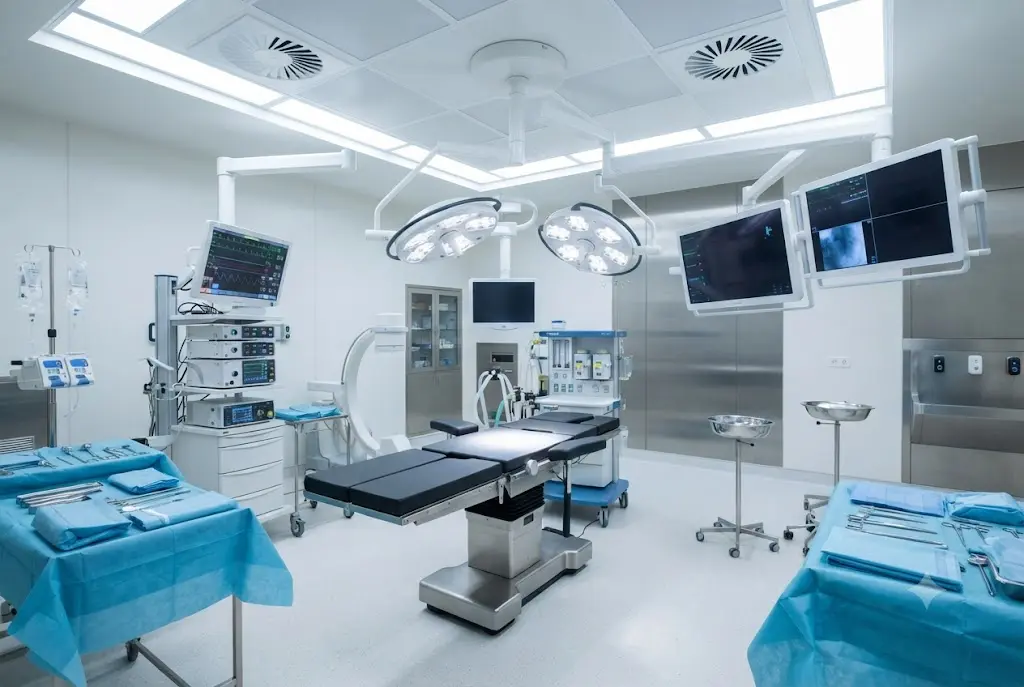
Surgical care is supported by a dedicated operation theatre complex, an ICU/ICCU, and 24×7 emergency and trauma facilities. The hospital’s approach centres on ethical, evidence-based, and affordable treatment, with a focus on explaining your condition clearly and involving you in decisions. Having emergency and critical care available under one roof adds real reassurance when a situation can’t wait.
Conclusion
Surgery can feel frightening, but understanding what’s involved usually takes away a large part of that fear. General surgery covers many common conditions that, once treated, allow people to get back to living comfortably. The key is getting evaluated early, understanding your options, and choosing a team that’s honest, skilled, and well-supported.
You don’t have to carry the worry alone or guess your way through it. A proper assessment can tell you exactly what you’re dealing with and what your best next step is, and often, the reality is far more manageable than the fear.
If you’re dealing with abdominal pain, a hernia, gallstones, or any condition that may need surgical evaluation, consider speaking with a qualified general surgeon. The team at RMS Multispeciality Hospital, Kandivali West, is available to assess your condition and guide you toward the right treatment. Reach out to book a consultation whenever you feel ready.
Frequently Asked Questions
1. What does a general surgery hospital in Kandivali treat? General surgery covers many common conditions, especially of the abdomen and digestive system, such as appendicitis, gallstones, hernias, certain lumps and cysts, abscesses, and conditions like piles and fissures.
2. Does seeing a general surgeon always mean I’ll need surgery? No. Many patients are evaluated and managed without an operation. Surgery is recommended only when it’s the safest and most effective option for your condition.
3. What is laparoscopic surgery, and is it better? Laparoscopic (keyhole) surgery uses small incisions and a camera, often leading to less pain, smaller scars, and quicker recovery. However, it isn’t suitable for every case, your surgeon decides the safest approach.
4. When should I see a general surgeon in Kandivali West? Consider a consultation for persistent or severe abdominal pain, a visible bulge or swelling, repeated pain after eating, new or growing lumps, or ongoing digestive problems. Sudden, severe pain needs urgent evaluation.
5. Is general surgery safe? Well-established procedures generally have a strong track record with an experienced team. Like any surgery, there are risks such as infection or bleeding, but serious complications are relatively uncommon with proper care.
6. How much does general surgery in Mumbai cost? Costs vary based on the procedure, whether it’s laparoscopic or open, tests needed, hospital stay, and individual requirements. It’s best to ask for a clear estimate once your condition is assessed.
7. How long does recovery take after surgery? Recovery depends on the procedure and your overall health. Laparoscopic surgeries often allow a quicker return to daily activities, while more complex operations may take longer. Following post-op advice closely helps a lot.
8. Will I need to stay in the hospital? Some minor procedures are done as day-care surgery, while complex or emergency operations usually require a stay for monitoring. The exact requirement depends on your condition and surgeon’s advice.
9. Can appendicitis or gallstones be treated as an emergency? Yes. Conditions like appendicitis can become serious if delayed, so hospitals with 24×7 emergency and surgical support can assess and treat them promptly.
10. Does RMS Multispeciality Hospital offer laparoscopic and emergency surgery? RMS provides general and laparoscopic surgery, along with endoscopy and colonoscopy, supported by an operation theatre complex, ICU/ICCU, and 24×7 emergency and trauma care.