
Joint pain is one of the most common health problems affecting people of all age groups. Whether it is knee pain, hip pain, shoulder discomfort, or stiffness in the joints, these problems can gradually affect daily life and reduce overall mobility. Simple activities such as walking, climbing stairs, sitting comfortably, or even sleeping peacefully may become difficult.
Many people ignore joint pain in the beginning. Some believe it is simply a part of aging, while others depend on painkillers for temporary relief. However, persistent joint pain should never be ignored because it may indicate underlying joint damage that requires proper medical attention.
Consulting a Joint Replacement Specialist In Kandivali can help patients understand the exact cause of their symptoms and receive the right treatment at the right time. Modern orthopedic care has made joint replacement procedures safer, more effective, and highly successful.
Understanding Joint Problems
Joints play an important role in our everyday life. They connect bones and allow movement. The knees, hips, shoulders, and other joints support body weight and help us perform various activities.
Over time, these joints may become damaged because of aging, arthritis, injuries, or medical conditions. When the protective cartilage between the bones wears away, the bones begin rubbing against each other, causing pain and stiffness.
A qualified Joint Replacement Specialist In Kandivali evaluates the condition of the joints and recommends appropriate treatment options.
Common Causes of Joint Damage
Several conditions may lead to joint problems.
1. Osteoarthritis
This is one of the most common causes of joint pain. The cartilage gradually wears away, causing pain, swelling, and reduced movement.
2. Rheumatoid Arthritis
This autoimmune condition causes inflammation in the joints, leading to damage over time.
3. Injuries and Trauma
Sports injuries, accidents, or fractures can damage the joints.
4. Obesity
Excess body weight places additional pressure on weight-bearing joints.
5. Age-Related Wear and Tear
Natural aging can gradually affect joint health.
Many patients who visit a Joint Replacement Specialist In Kandivali have one or more of these conditions.
Symptoms That Should Not Be Ignored
Joint problems often develop gradually. Early symptoms may appear mild but can worsen over time.
Common symptoms include:
- Persistent joint pain.
- Swelling around the joints.
- Morning stiffness.
- Difficulty climbing stairs.
- Pain while walking.
- Reduced movement.
- Joint instability.
- Sleep disturbances because of pain.
If these symptoms continue for several weeks or months, consultation with a Joint Replacement Specialist In Kandivali is advisable.
How Joint Pain Affects Daily Life
Chronic joint pain affects much more than physical movement.
Many people experience:
- Difficulty performing household activities.
- Reduced ability to work.
- Loss of independence.
- Sleep disturbances.
- Reduced confidence.
- Emotional stress.
Joint pain can affect family life, social activities, and overall quality of life. Timely treatment can help prevent further complications.
When Should You Consult a Specialist?
Many patients delay treatment because they hope the pain will disappear naturally.
You should consult a doctor if:
- Pain persists for several months.
- Walking becomes difficult.
- Medicines provide only temporary relief.
- Daily activities become challenging.
- Joint stiffness increases.
- Pain affects sleep.
An experienced Joint Replacement Specialist In Kandivali can identify the problem before it becomes severe.
Diagnostic Evaluation
Accurate diagnosis is extremely important.
1. Physical Examination
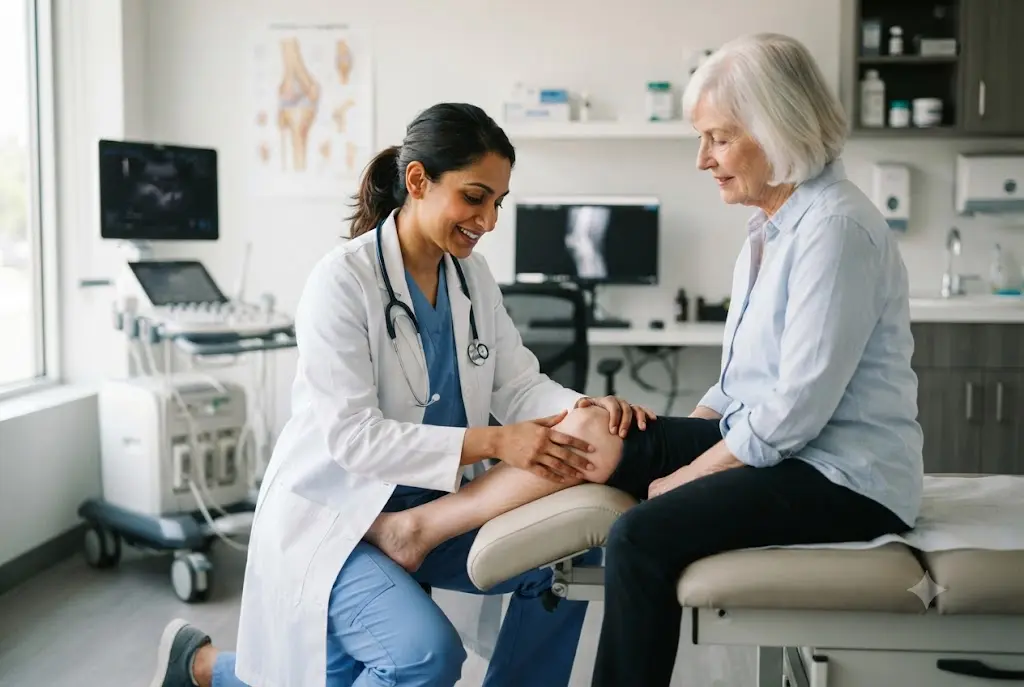
The doctor evaluates movement, flexibility, and pain levels.
2. X-rays
X-rays help identify arthritis and joint damage.
3. MRI Scans
MRI provides detailed images of cartilage, ligaments, and soft tissues.
4. Blood Tests
These tests help diagnose inflammatory conditions.
Proper diagnosis allows a Joint Replacement Specialist In Kandivali to develop a personalized treatment plan.
Non-Surgical Treatment Options
Not every patient requires surgery.
Conservative treatments may include:
1. Medications
Pain-relieving medicines may reduce symptoms.
2. Physiotherapy
Exercises help improve strength and flexibility.
3. Weight Management
Reducing body weight decreases pressure on the joints.
4. Lifestyle Changes
Regular exercise and healthy habits can improve joint health.
5. Injections
Certain injections may temporarily relieve pain.
A Joint Replacement Specialist In Kandivali usually recommends surgery only when these treatments fail.
What Is Joint Replacement Surgery?
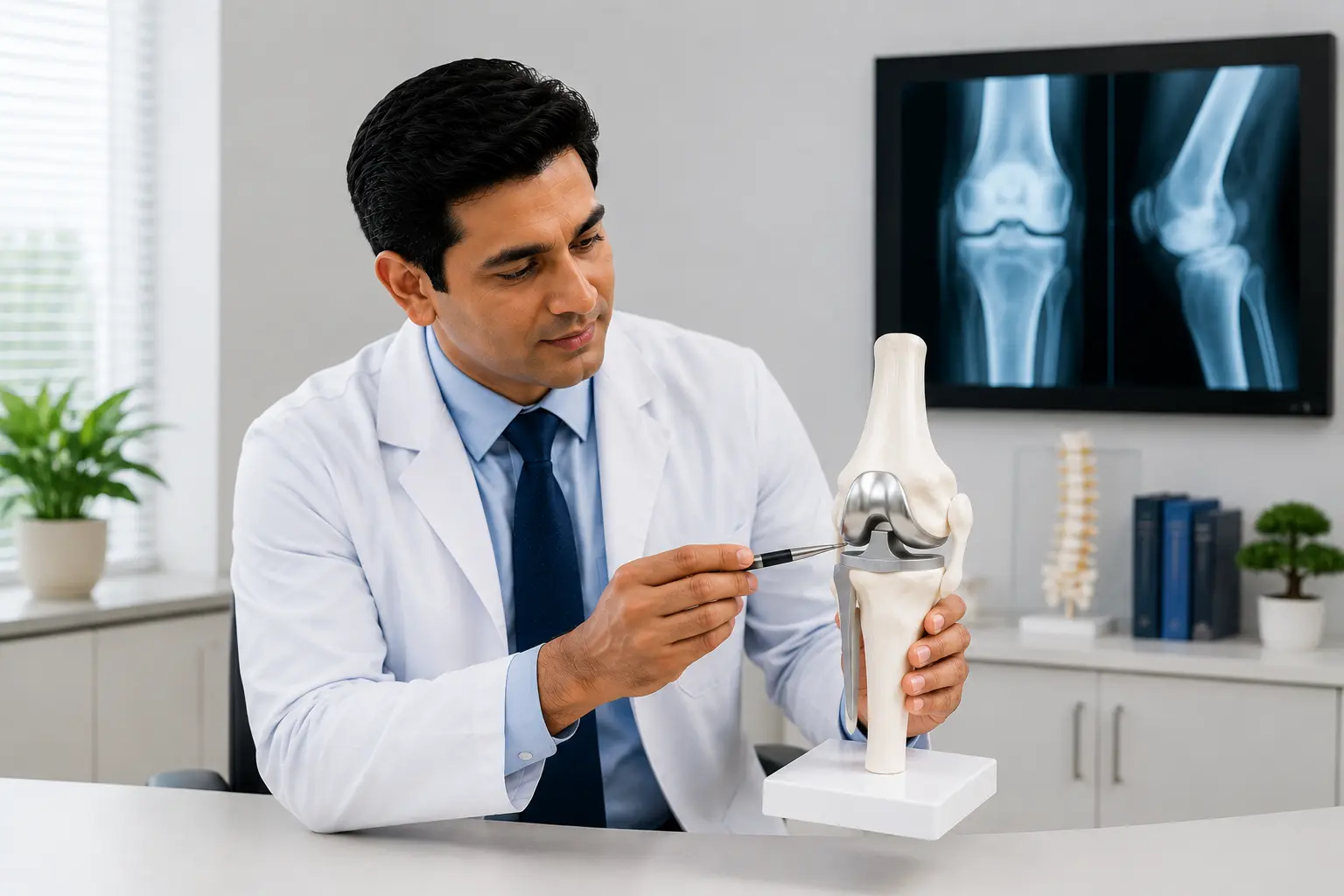
Joint replacement surgery involves replacing damaged portions of a joint with artificial implants.
These implants are specially designed to mimic natural joint movement.
The primary objectives are:
- Reducing pain.
- Improving mobility.
- Restoring function.
- Enhancing quality of life.
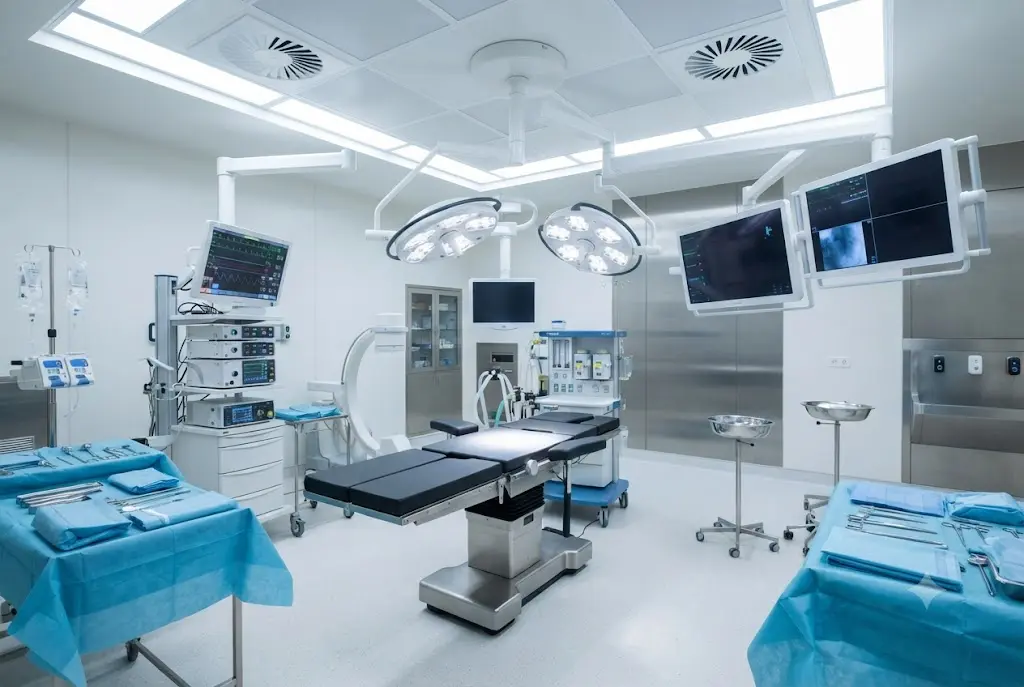
Modern Joint Replacement Specialist In Kandivali services use advanced techniques that improve surgical outcomes.
Types of Joint Replacement Procedures
1. Knee Replacement
Used for severe knee arthritis and joint damage.
2. Hip Replacement
Recommended for damaged hip joints.
3. Shoulder Replacement
Performed when shoulder joints become severely damaged.
4. Revision Joint Replacement
Replacement of older implants.
The choice of treatment depends on the patient’s condition.
Modern Technology in Joint Replacement
Medical technology has significantly improved orthopedic care.
Modern hospitals use:
- Computer-assisted surgery.
- Digital imaging.
- Advanced implants.
- Precision instruments.
- Improved anesthesia techniques.
These advancements make treatment safer and recovery faster.
An experienced Joint Replacement Specialist In Kandivali uses modern technology to achieve better outcomes.
Benefits of Joint Replacement Surgery
1. Significant Pain Relief
Patients often experience dramatic reduction in pain.
2. Improved Mobility
Walking and movement become easier.
3. Better Sleep
Pain-free sleep improves overall health.
4. Increased Independence
Patients regain confidence and self-reliance.
5. Improved Quality of Life
Many patients return to work, hobbies, and social activities.
Modern joint replacement procedures offer improved mobility and pain relief. According to American Academy of Orthopaedic Surgeons (AAOS), advances in joint replacement surgery have contributed to faster recovery and higher patient satisfaction.
Recovery After Joint Replacement
Recovery is a gradual process.
1. First Few Days
Patients begin movement exercises.
2. First Few Weeks
Pain decreases and mobility improves.
3. First Three Months
Most patients return to daily activities.
4. Long-Term Recovery
Strength and flexibility continue improving.
Rehabilitation plays a crucial role in recovery.
Importance of Physiotherapy
Physiotherapy helps patients regain mobility.
Benefits include:
- Improved flexibility.
- Stronger muscles.
- Better balance.
- Reduced stiffness.
- Faster recovery.
Patients who participate actively in rehabilitation often achieve better outcomes.
Tips to Maintain Healthy Joints
Healthy habits can protect your joints.
- Maintain a healthy weight.
- Exercise regularly.
- Eat a balanced diet.
- Avoid smoking.
- Stay physically active.
- Protect joints from injuries.
Preventive care helps maintain mobility and overall health.
Why Choosing the Right Specialist Matters
The success of treatment often depends on the expertise of the doctor.
A qualified Joint Replacement Specialist In Kandivali offers:
- Accurate diagnosis.
- Personalized treatment plans.
- Advanced surgical techniques.
- Comprehensive rehabilitation.
- Long-term follow-up care.
Choosing an experienced specialist helps patients receive complete care from diagnosis to recovery.
Frequently Asked Questions
Is joint replacement surgery safe?
Yes. Modern techniques have made these procedures highly safe.
How long does surgery take?
Most procedures take one to three hours.
When can patients walk after surgery?
Many patients begin walking within one or two days.
How long do implants last?
Most implants last between 15 and 20 years or longer.
Is physiotherapy necessary?
Yes. Rehabilitation is essential for successful recovery.
Can elderly patients undergo surgery?
Many elderly patients successfully undergo treatment after proper evaluation.
Will I return to normal activities?
Most patients return to their daily routines after recovery.
Conclusion
Joint pain should never be accepted as a normal part of aging. Persistent pain, stiffness, and reduced mobility can significantly affect daily life and emotional well-being.
Consulting a Joint Replacement Specialist In Kandivali at the right time can help patients receive accurate diagnosis, effective treatment, and long-term relief. Modern orthopedic care offers advanced solutions that help individuals regain mobility, reduce pain, and improve their quality of life.
Early treatment, proper medical guidance, and a commitment to recovery can help patients return to an active and comfortable life with confidence.