

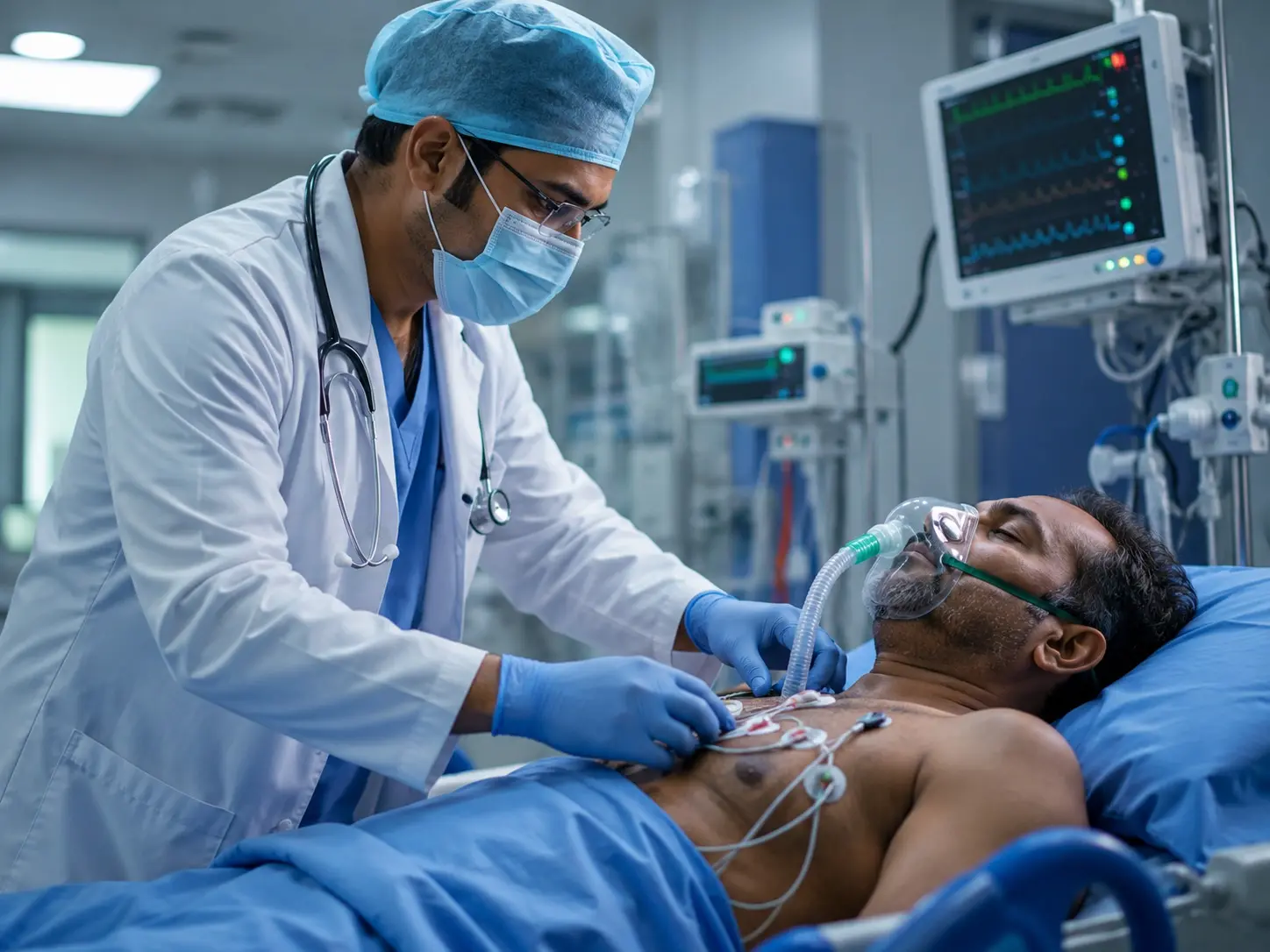
When Heart Health Becomes a Serious Concern
Hearing the words “heart surgery” can make anyone anxious. You may immediately start thinking about the procedure, recovery, cost, risks, and whether surgery is really necessary.
These concerns are natural. Heart problems can affect everyday life, and deciding on treatment can feel overwhelming when you do not fully understand your options.
If you are searching for Heart Surgery in Kandivali, the first step should be understanding your condition and discussing it with an experienced cardiac team. Not every heart problem requires surgery. Depending on the diagnosis, treatment may involve medicines, lifestyle changes, monitoring, minimally invasive procedures, or surgery.
For people living in Kandivali West and nearby areas such as Borivali, Malad, and Goregaon, timely cardiac evaluation can make the treatment journey easier. RMS Multispeciality Hospital in Kandivali West provides dedicated cardiology services, an Intensive Cardiac Care Unit (ICCU), advanced cardiac monitoring, 24×7 emergency response, ECG facilities, and critical-care support.
Cardiac Care at RMS Multispeciality Hospital
RMS Multispeciality Hospital is a multispeciality healthcare facility located in Kandivali West, Mumbai, with a dedicated Cardiology department focused on emergency and long-term heart care.
The cardiology team manages conditions including acute heart attacks, unstable angina and acute coronary syndromes, heart failure, cardiomyopathy, irregular heart rhythms, hypertension, high cholesterol, myocarditis, pericarditis, diabetes-related cardiac complications, and post-cardiac-event recovery.
For someone researching Heart Surgery in Kandivali, RMS provides an important starting point for cardiac assessment and stabilization. Its dedicated ICCU is supported by advanced multiparameter monitoring, 24×7 ECG, emergency resuscitation equipment, ventilator support, rapid in-house laboratory testing, pharmacy services, and ambulance support.
The information provided by RMS for this article does not specifically confirm that the hospital performs CABG, valve replacement, or other major cardiac surgeries. Therefore, patients who have been advised to undergo surgery should confirm the availability of their specific procedure directly with the hospital and cardiac team.
What Is Heart Surgery?
Heart surgery refers to surgical procedures used to treat certain serious conditions affecting the heart or major blood vessels connected to it.
One of the most commonly known procedures is coronary artery bypass grafting, or CABG. In this operation, a healthy blood vessel is used to create a new pathway around a blocked or narrowed coronary artery. This can improve blood flow to the heart muscle.
Other types of heart surgery may include:
- Coronary artery bypass surgery
- Heart valve repair
- Heart valve replacement
- Surgery for certain congenital heart conditions
- Surgery for selected aortic conditions
- Other procedures for complex cardiovascular conditions
Importantly, needing cardiac treatment does not automatically mean needing surgery. A cardiologist first evaluates the patient’s condition and determines which treatment is most appropriate.
Key Benefits of Appropriate Heart Surgery
When surgery is recommended for the right patient, it can provide significant benefits.
Potential benefits include:
- Improved blood flow to the heart
- Reduction in certain types of chest pain
- Improvement in symptoms such as breathlessness
- Treatment of severe coronary artery disease
- Repair or replacement of a damaged heart valve
- Improved ability to perform daily activities
- Better quality of life
- Reduced risk associated with certain untreated heart conditions
The actual benefit depends on the patient’s diagnosis, overall health, severity of disease, and type of procedure.
For this reason, choosing a Heart Surgery Hospital in Kandivali should begin with understanding the medical reason behind the recommended surgery rather than simply looking for the closest facility.
Why Choose the Right Cardiac Team?
Searching for Cardiac Surgery in Kandivali can be the beginning of an important healthcare decision. Heart surgery is a major treatment, so patients should look beyond advertisements and ask practical questions.
Consider whether the cardiac-care facility has:
- Experienced cardiac physicians
- Appropriate diagnostic facilities
- Intensive-care support
- Continuous cardiac monitoring
- Emergency services
- Trained critical-care staff
- Post-operative support
- Follow-up and rehabilitation guidance
At RMS Multispeciality Hospital, cardiac care is supported by a dedicated ICCU, advanced monitoring systems, 24×7 cardiac emergency response, and trained critical-care staff.
If your doctor has recommended surgery, ask exactly which procedure you need, why it is necessary, what alternatives are available, and where the operation will be performed.
How Does Heart Surgery Work?
The exact process depends on the patient’s condition and the type of surgery recommended. However, the overall journey usually includes several stages.
1. Initial cardiac consultation
The doctor discusses your symptoms, medical history, medications, previous cardiac problems, lifestyle factors, and family history.
2. Diagnostic evaluation
Depending on your symptoms, the medical team may recommend ECG, blood tests, echocardiography, imaging, stress testing, or other investigations.
RMS provides 24×7 ECG services and in-house laboratory support, including tests such as troponin, cardiac enzymes, and lipid profiles.
3. Treatment planning
The cardiac team evaluates whether medication, monitoring, angioplasty, stenting, surgery, or another approach is appropriate.
4. Pre-operative evaluation
If surgery is recommended, the patient may undergo additional testing to assess heart function, kidney function, blood counts, blood pressure, diabetes, and other factors that can influence treatment.
5. Surgical procedure
The surgical technique depends on the diagnosis. For example, CABG involves creating an alternative route around blocked coronary arteries.
6. Intensive monitoring
Major cardiac operations require close observation after surgery. Intensive-care monitoring allows medical teams to watch vital signs and respond to complications when necessary.
7. Recovery and follow-up
After discharge, recovery continues through medication, gradual physical activity, follow-up appointments, lifestyle changes, and cardiac rehabilitation when advised.
Who May Need Heart Surgery?
Not every person with heart disease requires an operation.
A Heart Surgeon in Kandivali or another qualified cardiac specialist may consider surgery when a serious condition cannot be adequately managed with medication or a less invasive treatment.
Surgery may be considered for selected patients with severe coronary artery disease, multiple significant blockages, certain complex coronary conditions, or serious heart valve disease.
Patients with symptoms such as persistent chest pressure, breathlessness, fainting, unusual fatigue, or recurring palpitations should not self-diagnose. A proper cardiac evaluation is necessary to determine the cause.
At RMS, the cardiology team manages a broad range of cardiac conditions and provides emergency stabilization, monitoring, preventive care, and post-cardiac-event support.
Detailed Benefits of Heart Surgery
The long-term benefits of Heart Surgery in Kandivali depend on the reason for the procedure.
For patients with severe coronary artery disease, bypass surgery may improve blood flow to the heart and reduce certain symptoms.
For patients with significant valve disease, repair or replacement may help improve blood flow through the heart.
However, surgery is not a permanent substitute for healthy heart habits.
After treatment, patients may still need to control blood pressure, cholesterol, diabetes, body weight, diet, physical activity, and other cardiovascular risk factors.
This is where long-term cardiac care becomes important. RMS emphasizes preventive cardiology, evidence-based medication management, lifestyle modification, and regular cardiac screening to help reduce future cardiovascular risk.
Effectiveness and Expected Results
The outcome of Heart Surgery in Kandivali depends on several factors, including the patient’s age, medical history, type and severity of heart disease, procedure performed, and recovery process.
For appropriate patients, bypass surgery can improve blood flow to the heart and reduce symptoms caused by restricted coronary circulation.
Recovery is not identical for everyone. Some patients may regain normal daily activity relatively quickly, while others may need a longer period of rehabilitation.
The most important thing is to follow the cardiac team’s instructions after treatment. Taking prescribed medication, attending follow-up appointments, managing cholesterol and blood pressure, maintaining an appropriate diet, avoiding tobacco, and gradually becoming physically active can all contribute to long-term cardiovascular health.
Risks and Side Effects
It is important to understand that Heart Surgery in Kandivali is a major medical intervention and carries potential risks.
Possible complications may include:
- Bleeding
- Infection
- Irregular heart rhythm
- Blood clots
- Breathing complications
- Kidney problems
- Stroke
- Heart attack
- Reaction to anaesthesia
- Temporary memory or concentration difficulties
The level of risk varies between patients. Age, diabetes, kidney problems, existing heart disease, general health, and the complexity of surgery can all influence the risk.
Before proceeding, ask your cardiac team to explain the expected benefits, possible complications, alternatives, and recovery requirements.
Heart Surgery vs Other Treatment Options
Not every patient searching for Heart Surgery in Kandivali needs surgery.
Medication
Some heart conditions can be managed with medicines that control blood pressure, cholesterol, blood clots, heart rhythm, or other cardiovascular risks.
Angioplasty and stenting
Angioplasty is a less invasive treatment in which a catheter is used to open a narrowed coronary artery. A stent may be placed to help maintain blood flow.
Bypass surgery
CABG creates a new route around blocked coronary arteries. It may be recommended for selected patients with extensive or complex coronary artery disease.
Valve treatment
Some patients with valve disease may require valve repair or replacement, while selected patients may qualify for less invasive procedures.
The right treatment depends on the individual diagnosis. A patient should never choose surgery simply because it sounds more advanced.
Cost of Heart Surgery in Kandivali
Cost is an important concern for many families researching Heart Surgery in Kandivali.
However, there is no single fixed price because the final expense depends on the procedure, hospital, surgeon, room category, ICU stay, investigations, medicines, implants, and recovery period.
A typical cardiac-surgery estimate may include:
- Consultation and specialist fees
- Pre-operative investigations
- Surgeon and anaesthesia charges
- Operation-theatre charges
- ICU charges
- Room charges
- Medicines
- Surgical consumables
- Implants or valves, when required
- Post-operative investigations
- Follow-up care
For major cardiac surgery in Mumbai, costs can vary substantially and may run into several lakh rupees. Patients should obtain a current, procedure-specific estimate rather than relying on a generic online figure.
RMS Multispeciality Hospital also provides insurance and cashless support for eligible patients through its associated insurance arrangements. Patients should confirm current eligibility and coverage directly with the hospital before treatment.
Pre-Procedure and Post-Care Tips
If you are preparing for Heart Surgery in Kandivali, good preparation can make the treatment process more manageable.
Before surgery
- Give your doctor a complete list of medicines you take.
- Inform the team about allergies and existing medical conditions.
- Complete recommended tests.
- Follow instructions regarding food and medication.
- Avoid smoking and tobacco.
- Arrange transportation and support for the recovery period.
- Ask questions about the procedure and expected recovery.
After surgery
- Take medicines exactly as prescribed.
- Attend every recommended follow-up.
- Follow wound-care instructions.
- Gradually increase activity according to medical advice.
- Follow dietary recommendations.
- Monitor blood pressure and other risk factors.
- Participate in cardiac rehabilitation if recommended.
- Report unusual or worsening symptoms promptly.
Is Hospitalization Needed?
Major Heart Surgery in Kandivali generally requires hospitalization.
Procedures such as bypass surgery and open heart valve surgery require close monitoring before and after the operation. Patients may spend time in intensive care before moving to a regular room as their condition stabilizes.
This is different from routine cardiac services such as consultation, ECG, or certain investigations, which may not require admission.
RMS Multispeciality Hospital has a dedicated ICCU, ICU backup, advanced cardiac monitoring, ventilator support, emergency resuscitation equipment, and 24×7 cardiac emergency response for patients requiring intensive cardiac care.
Patients should confirm directly with RMS whether their specific surgical procedure is performed at the hospital or whether they require a surgical referral.
Why Choose RMS Multispeciality Hospital for Cardiac Care?
For residents looking for a Cardiac Care Hospital in Kandivali, RMS Multispeciality Hospital provides a comprehensive cardiac-care environment focused on both emergency response and long-term heart health.
The hospital’s cardiology team manages acute heart attacks, acute coronary syndromes, heart failure, cardiomyopathy, arrhythmias, hypertension, high cholesterol, myocarditis, pericarditis, diabetes-related cardiac complications, and post-cardiac-event recovery.
Its cardiac-care facilities include:
- Dedicated ICCU
- Advanced multiparameter cardiac monitoring
- 24×7 cardiac emergency response
- 24×7 ECG
- Defibrillator and crash cart
- Ventilator support
- Rapid in-house laboratory testing
- 24×7 pharmacy
- Ambulance services
- Preventive cardiology
- Critical-care backup
For patients searching for Heart Treatment in Kandivali, these services can provide an important first step toward timely evaluation and appropriate management.
The hospital is located in Kandivali West and serves patients from nearby areas including Borivali, Malad, Goregaon, and surrounding Mumbai suburbs.
Conclusion
A recommendation for heart surgery can feel overwhelming, but understanding your condition can help you make a more informed decision.
Heart Surgery in Kandivali can involve different procedures, and the right treatment depends entirely on the patient’s diagnosis, severity of disease, overall health, and medical evaluation.
The goal should never be to choose the most complicated treatment. It should be to choose the treatment that is medically appropriate.
For residents of Kandivali West and nearby Mumbai areas, RMS Multispeciality Hospital provides dedicated cardiology services, ICCU support, 24×7 emergency cardiac response, ECG, advanced monitoring, diagnostics, preventive cardiology, and post-cardiac-event care.
If you have been advised to undergo surgery, consult the cardiac team, understand why the procedure has been recommended, ask about alternatives, and confirm the availability of the specific surgery you require.
Your heart health should not be put on hold.
If you are experiencing persistent chest pain, chest pressure, breathlessness, palpitations, dizziness, fainting, unusual fatigue, or other concerning symptoms, seek medical attention promptly.
At RMS Multispeciality Hospital, Kandivali West, the cardiac team is equipped to provide cardiac evaluation, monitoring, emergency stabilization, and ongoing heart care.
For a suspected heart attack or serious cardiac emergency, seek immediate emergency medical care rather than waiting for a routine appointment.
Frequently Asked Questions
1. What is Heart Surgery in Kandivali?
Heart Surgery in Kandivali refers to surgical treatment for serious cardiovascular conditions available in or around Kandivali. Depending on the condition, it may include bypass surgery, valve surgery, or other cardiac procedures.
2. When is heart surgery recommended?
Heart surgery may be recommended when a serious heart condition cannot be adequately managed through medicines or less invasive treatment. The decision depends on the patient’s individual diagnosis.
3. What is a Heart Surgery Hospital in Kandivali?
A Heart Surgery Hospital in Kandivali is a facility that provides or coordinates surgical care for patients with serious cardiovascular conditions. Patients should confirm that the specific procedure they need is available.
4. What is Cardiac Surgery in Kandivali?
Cardiac Surgery in Kandivali refers to surgical procedures performed to treat certain heart and cardiovascular conditions. Examples include coronary bypass surgery and heart valve procedures.
5. How much does heart surgery cost in Kandivali?
The cost varies according to the procedure, hospital, surgeon, ICU stay, medicines, investigations, implants, and length of hospitalization. Major cardiac surgery can cost several lakh rupees, so patients should request a current procedure-specific estimate.
6. How long does recovery take after heart surgery?
Recovery depends on the procedure and the patient’s health. Major cardiac surgery can require several weeks to months of gradual recovery, with follow-up and rehabilitation often forming an important part of the process.
7. Is heart surgery risky?
Yes. Like any major operation, heart surgery has potential risks. These can include bleeding, infection, irregular heart rhythm, kidney problems, stroke, heart attack, and breathing complications.
8. Can heart disease be treated without surgery?
Yes. Depending on the condition, treatment may include medicines, lifestyle changes, monitoring, angioplasty, stenting, or other interventions. Surgery is considered only when medically appropriate.
9. Does RMS Multispeciality Hospital provide cardiac care?
Yes. RMS provides dedicated cardiology services, ICCU care, 24×7 cardiac emergency response, ECG, advanced cardiac monitoring, critical-care support, preventive cardiology, diagnostic services, pharmacy support, and ambulance services.
10. Where is RMS Multispeciality Hospital located?
RMS Multispeciality Hospital is located at Pooja Enclave CHS, 90 Feet Road, opposite Ganesh Nagar, Kandivali West, Mumbai. The hospital provides cardiac care to patients from Kandivali and surrounding Mumbai suburbs.