

When Your Heart Needs the Right Care, Every Minute Matters
A sudden episode of chest pain can be frightening. Breathlessness, an unusually fast heartbeat, dizziness, or persistent fatigue can also leave you wondering whether something is wrong with your heart. The difficult part is knowing when a symptom is harmless and when it needs immediate medical attention.
Heart-related conditions can sometimes become serious without much warning. This is why timely evaluation and access to appropriate medical care are so important. For people living in Kandivali West and nearby areas, having a dependable cardiac facility close to home can provide reassurance when every minute matters.
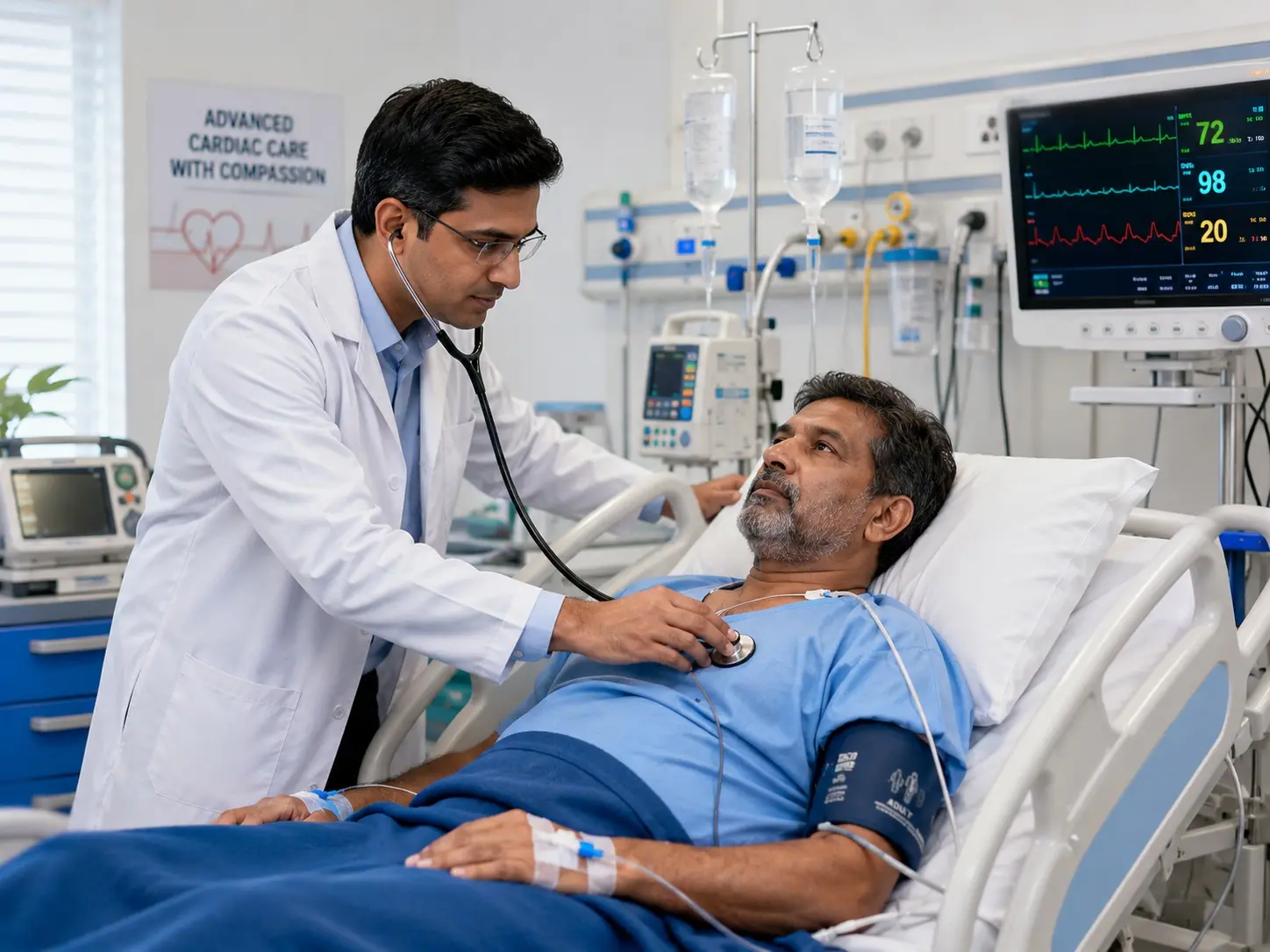
RMS Multispeciality Hospital provides comprehensive cardiac services supported by a dedicated Intensive Cardiac Care Unit (ICCU), advanced monitoring systems, emergency response, diagnostic support, and trained medical professionals.
Whether you need a routine cardiac evaluation, long-term management of a heart condition, or urgent medical attention, choosing the right Cardiology Hospital In Kandivali can make an important difference to your overall heart health.
What Is Cardiology?
Cardiology is the branch of medicine that focuses on the heart and blood vessels. A cardiologist diagnoses, treats, and helps prevent conditions that affect the cardiovascular system.
Cardiac care is not limited to heart attacks. It may involve managing high blood pressure, high cholesterol, irregular heart rhythms, heart failure, heart inflammation, and cardiovascular complications associated with diabetes.
At a Cardiology Hospital In Kandivali, a patient’s evaluation generally begins with a discussion about symptoms and medical history. Depending on the situation, the doctor may recommend investigations such as an ECG, blood tests, cardiac monitoring, or other diagnostic evaluations.
Modern cardiology also focuses on prevention. Identifying risk factors early and managing them through appropriate treatment and lifestyle changes can help patients protect their heart health over the long term.
Conditions Treated at RMS Multispeciality Hospital
The cardiology team at RMS Multispeciality Hospital manages a range of heart and vascular conditions, including:
- Acute heart attack or myocardial infarction (MI)
- Unstable angina and acute coronary syndromes (ACS)
- Heart failure and cardiomyopathy
- Cardiac arrhythmias or irregular heartbeat
- Hypertension or high blood pressure
- Dyslipidaemia and high cholesterol
- Pericarditis and myocarditis
- Cardiac complications in diabetic patients
- Post-cardiac event monitoring and recovery
- Preventive cardiology and cardiovascular risk reduction
Some cardiac conditions develop gradually, while others can require immediate attention. A proper medical evaluation helps determine the cause of symptoms and the most suitable treatment approach.
Why Choose RMS as Your Cardiology Hospital In Kandivali?
When people search for a Cardiology Hospital In Kandivali, they are usually looking for more than a consultation room. They want to know whether emergency care, monitoring, diagnostics, critical-care support, and medication assistance are available when needed.
RMS Multispeciality Hospital offers:
- Dedicated ICCU with advanced cardiac monitoring
- 24×7 cardiac emergency response
- Experienced cardiologists supported by trained critical-care staff
- Advanced multiparameter monitoring systems
- ICU backup for high-risk cardiac patients
- Preventive cardiology and cardiovascular risk assessment
- ECG availability 24×7
- Defibrillator and crash-cart support for emergencies
- Ventilator support for critically ill cardiac patients
- In-house laboratory investigations
- 24×7 pharmacy services
- Ambulance services for cardiac emergencies
This integrated approach allows patients to receive appropriate support when their condition requires observation, stabilization, or hospital-based treatment.
How Does Cardiac Evaluation and Treatment Work?
Every patient is different, so the exact treatment process depends on symptoms, medical history, risk factors, and diagnosis. However, cardiac evaluation generally involves several stages.
1. Initial Assessment
The doctor discusses your symptoms, medical history, medications, lifestyle, family history, blood pressure, diabetes, cholesterol, and other cardiovascular risk factors.
2. Clinical Examination
Vital signs and other physical findings are assessed to understand the patient’s current condition and identify signs that may require urgent attention.
3. Cardiac Testing
An ECG records the electrical activity of the heart and can help identify certain abnormalities. Blood tests may also be used when cardiac injury is suspected. Troponin testing, for example, plays an important role in evaluating suspected acute myocardial infarction.
4. Monitoring
Patients with concerning symptoms may need continuous cardiac monitoring. A dedicated ICCU can provide closer observation for patients who require specialized cardiac care.
5. Treatment Planning
Depending on the diagnosis, treatment may include medication, monitoring, lifestyle changes, additional investigations, or referral for an appropriate cardiac procedure.
The goal is not to provide the same treatment to every patient but to understand the individual problem and create an appropriate care plan.
Who Should Consult a Cardiologist?
You do not have to wait for a heart attack before speaking with a specialist. Consider consulting a Heart Specialist in Kandivali if you experience:
- Chest pain, pressure, or tightness
- Shortness of breath during activity or at rest
- Repeated palpitations or irregular heartbeat
- Dizziness or unexplained fainting
- Swelling in the legs, ankles, or feet
- Persistent or unexplained fatigue
- Consistently high blood pressure
- High cholesterol
- Diabetes with cardiovascular risk factors
- Previous heart attack or cardiac event
- A strong family history of heart disease
Chest discomfort can have many possible causes, but potentially serious cardiac causes should not be ignored. If symptoms are sudden, severe, or accompanied by breathlessness, fainting, sweating, or other concerning signs, seek emergency medical care immediately.
The Long-Term Benefits of Cardiac Care
Cardiology is not only about responding to emergencies. Regular cardiac care can also help patients manage risks and protect their health over time.
Early Risk Identification
Conditions such as high blood pressure, high cholesterol, and diabetes can increase cardiovascular risk. Identifying them early allows patients to work with their doctors on appropriate management.
Better Chronic Disease Management
People living with heart conditions may require regular follow-up, medication adjustments, and monitoring. Consistent care can help doctors understand how a patient is responding to treatment.
Reduced Future Risk
Healthy eating, physical activity, maintaining a healthy weight, avoiding tobacco, managing blood pressure and cholesterol, and taking prescribed medicines can all contribute to better cardiovascular health.
Better Quality of Life
Effective management of heart-related conditions can help patients remain active and continue their daily activities with greater confidence.
How Effective Is Modern Cardiac Care?
Cardiology has made significant progress in diagnosing and managing cardiovascular conditions. Rapid evaluation, ECG testing, appropriate blood investigations, monitoring, and timely treatment can help doctors respond more effectively when a serious cardiac condition is suspected.
However, outcomes vary from patient to patient. The underlying condition, severity, age, other medical problems, treatment response, and speed of receiving care can all influence results.
This is one reason why having access to a well-equipped Cardiology Hospital In Kandivali is valuable. Early evaluation can help determine whether symptoms require routine follow-up, urgent treatment, or hospital-based monitoring.
Risks and Considerations in Cardiac Treatment
Cardiac treatment is highly individualized. Medicines can have side effects, diagnostic tests have limitations, and invasive procedures may carry specific risks.
Some cardiac medicines, for example, can influence blood pressure, heart rate, or bleeding risk. Certain procedures may also require careful preparation and follow-up.
Before beginning treatment, patients should understand:
- Their diagnosis
- Recommended treatment
- Expected benefits
- Possible side effects
- Alternative options
- Follow-up requirements
- Warning signs that require urgent attention
Never start, stop, or change prescribed cardiac medication without consulting your doctor.
Cardiology Hospital In Kandivali vs. Routine Clinic Visits
A routine cardiology clinic may be appropriate for preventive care, regular follow-ups, stable conditions, and non-emergency consultations.
However, a hospital-based Cardiology Hospital In Kandivali can provide additional support when patients require emergency assessment, continuous monitoring, ICU backup, or hospital admission.
| Routine Cardiology Clinic | Hospital-Based Cardiac Care |
| Routine consultations | Consultations and emergency care |
| Regular follow-up | Emergency and inpatient support |
| Basic evaluation | Advanced monitoring and investigations |
| Preventive care | Preventive and acute cardiac management |
| Suitable for stable patients | Support for stable and high-risk patients |
The right setting depends on the patient’s symptoms and medical condition.
Cardiology Treatment Cost in Kandivali
The cost of cardiac care varies depending on the consultation, diagnostic tests, medicines, hospitalization, and treatment required.
It would be misleading to provide one fixed price for all cardiac treatment because every patient’s requirements are different. A routine consultation will naturally cost less than treatment involving emergency care, ICU monitoring, investigations, or procedures.
Before beginning treatment, patients can ask the hospital about:
- Consultation charges
- Diagnostic test costs
- Medication expenses
- Room or ICU charges
- Procedure-related costs
- Insurance or cashless coverage
- Follow-up expenses
At RMS Multispeciality Hospital, the overall cost depends on the patient’s condition and the investigations or treatment recommended by the medical team.
Before and After Your Cardiology Consultation
A little preparation can make your appointment more productive.
Before Your Appointment
- Carry previous ECGs, blood reports, and medical records.
- Make a list of your current medicines.
- Note when your symptoms began and how often they occur.
- Mention diabetes, hypertension, or high cholesterol.
- Tell the doctor about previous cardiac problems.
- Share relevant family medical history.
After Your Consultation
- Take medicines exactly as prescribed.
- Attend recommended follow-up appointments.
- Monitor blood pressure if advised.
- Follow recommended dietary and lifestyle changes.
- Do not stop medication simply because you feel better.
- Ask your doctor before starting strenuous exercise after a cardiac event.
Is Hospitalization Needed for Cardiac Treatment?
Not always.
Routine consultations, preventive cardiology, and some investigations may not require hospital admission. However, hospitalization can be necessary for serious conditions such as an acute heart attack, severe heart failure, significant arrhythmias, unstable symptoms, or situations requiring continuous monitoring.
RMS Multispeciality Hospital has a dedicated ICCU and ICU support for patients who require closer observation and critical care.
Why Choose RMS Multispeciality Hospital?
Choosing the right Cardiology Hospital In Kandivali means considering medical expertise, emergency preparedness, monitoring facilities, diagnostics, and patient support.
RMS Multispeciality Hospital’s cardiac care approach combines rapid emergency response with preventive and long-term cardiac care.
The dedicated ICCU, advanced multiparameter monitoring, 24×7 ECG availability, emergency equipment, in-house laboratory support, ventilator backup, 24×7 pharmacy, and ambulance services provide an integrated environment for cardiac care.
Its location in Kandivali West also makes cardiac services more accessible to residents of Kandivali and nearby areas such as Borivali, Malad, and Goregaon.
Conclusion
Your heart may not always give you a dramatic warning before a serious problem develops. Sometimes the first signs are breathlessness, unusual fatigue, palpitations, or consistently high blood pressure.
The important thing is not to ignore persistent or concerning symptoms.
If you are looking for a Cardiology Hospital In Kandivali, RMS Multispeciality Hospital provides cardiac consultation, emergency support, dedicated ICCU care, cardiac monitoring, diagnostic assistance, and preventive cardiology services.
For sudden chest pain, severe breathlessness, fainting, or other symptoms that could indicate a cardiac emergency, seek immediate medical attention rather than waiting for the symptoms to disappear.
Cardiac Care Team at RMS Multispeciality Hospital
Your heart health deserves attention before a small concern becomes a major problem.
Whether you need a routine cardiac evaluation, ongoing management of a heart condition, or urgent assessment of concerning symptoms, the cardiac care team at RMS Multispeciality Hospital in Kandivali West is available to assist you.
For appointments and cardiac consultations, call:
📞 9867400293
For 24×7 emergency cardiac care, call:
🚨 7304695566 | 9867400293
If you are searching for a reliable Cardiology Hospital In Kandivali, contact RMS Multispeciality Hospital to discuss your cardiac care needs and determine the appropriate next step.
Frequently Asked Questions
1. Which is a good Cardiology Hospital In Kandivali?
RMS Multispeciality Hospital in Kandivali West provides cardiology services supported by a dedicated ICCU, cardiac monitoring, emergency response, diagnostic support, and critical-care backup.
2. When should I visit a cardiologist?
Consider seeing a cardiologist for recurring chest discomfort, breathlessness, palpitations, high blood pressure, high cholesterol, unexplained fatigue, swelling, or a history of cardiac disease.
3. What does a cardiologist treat?
A cardiologist diagnoses and manages conditions involving the heart and blood vessels, including heart attacks, arrhythmias, heart failure, hypertension, high cholesterol, and other cardiovascular conditions.
4. Is ECG available at RMS Multispeciality Hospital?
Yes. The cardiology information provided by RMS Multispeciality Hospital states that ECG is available 24×7, supporting cardiac evaluation when urgent symptoms require assessment.
5. Does RMS have an ICCU?
Yes. RMS Multispeciality Hospital has a dedicated Intensive Cardiac Care Unit equipped for continuous monitoring of patients requiring specialized cardiac care.
6. What symptoms can indicate a heart attack?
Possible warning signs include chest pressure or discomfort, shortness of breath, sweating, nausea, dizziness, and discomfort that may extend to the arm, back, neck, or jaw. Symptoms can vary between individuals.
7. Is hospitalization always required for heart treatment?
No. Routine consultations and preventive care may not require admission. Hospitalization may become necessary when a patient has a serious cardiac condition or requires continuous monitoring and hospital-based treatment.
8. How much does cardiology treatment cost in Kandivali?
The cost varies according to the consultation, investigations, medicines, and treatment required. Emergency care, ICU monitoring, procedures, and hospitalization can increase the overall cost. Patients should ask the hospital for a treatment-specific estimate.
9. Can cardiac disease be prevented?
Not every heart condition can be prevented, but many cardiovascular risks can be reduced through appropriate management of blood pressure and cholesterol, regular physical activity, healthy eating, avoiding tobacco, maintaining a healthy weight, and following medical advice.
10. What should I do if I have sudden chest pain?
Do not wait for the symptoms to disappear. Sudden chest pain can have serious causes and requires immediate medical evaluation.
For emergency cardiac care at RMS Multispeciality Hospital:
🚨 7304695566 | 9867400293