
Hip pain can make even the simplest daily activities feel difficult. Whether it is walking, climbing stairs, standing for long periods, or getting out of bed, severe hip pain can reduce your quality of life. If medications, physiotherapy, and lifestyle changes no longer provide relief, consulting a Hip Replacement Surgeon In Kandivali can help you regain mobility and live without constant discomfort.
A skilled Hip Replacement Surgeon In Kandivali specialises in diagnosing and treating advanced hip conditions using modern surgical techniques. With an accurate diagnosis, personalised treatment plans, and advanced surgical expertise, the right specialist focuses on restoring mobility, reducing pain, and helping patients return to an active lifestyle. Understanding when surgery is necessary and what the procedure involves can help you make an informed healthcare decision.
What Is Hip Replacement Surgery?
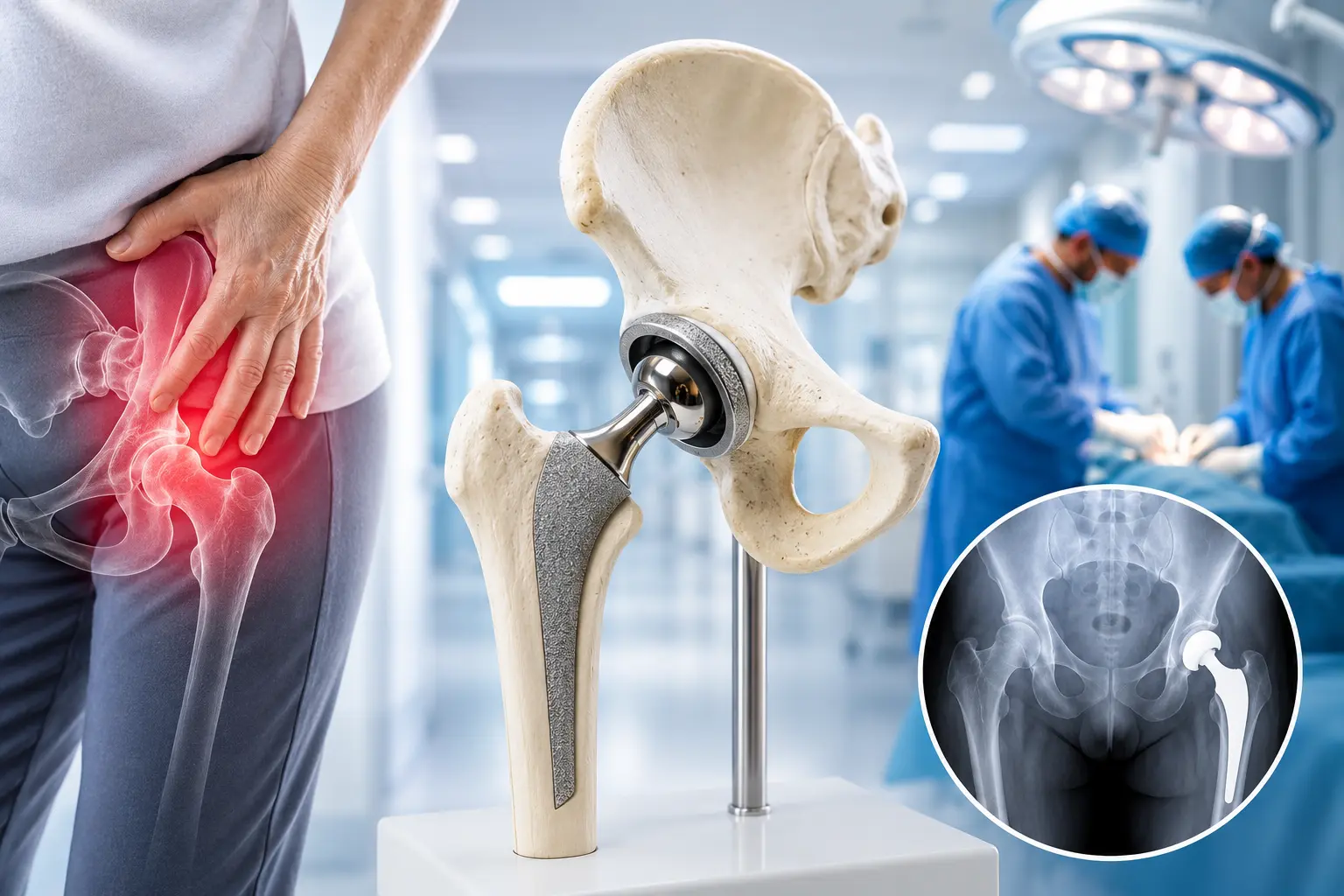
Hip Replacement Surgery In Kandivali is an advanced orthopaedic procedure in which the damaged parts of the hip joint are removed and replaced with durable artificial implants. These implants are designed to replicate the natural movement of the hip, allowing patients to walk, sit, climb stairs, and perform everyday activities with significantly less pain.
The hip is one of the largest weight-bearing joints in the body. It consists of a ball-and-socket structure, where the rounded head of the thigh bone fits securely into the pelvic socket. Healthy cartilage covers these bones and allows them to move smoothly without friction. However, conditions such as arthritis, injuries, fractures, or age-related wear can damage the cartilage, causing the bones to rub against each other. This leads to persistent pain, stiffness, swelling, and restricted movement.
A qualified Hip Replacement Surgeon In Kandivali carefully evaluates the condition of the joint before recommending surgery. Every patient is different, and treatment is always tailored to individual needs, symptoms, activity levels, and overall health.
Understanding the Hip Joint
The hip joint plays a vital role in almost every movement we make. From walking and running to bending and sitting, this joint supports the body’s weight while providing stability and flexibility.
The hip consists of several important structures that work together:
- Femoral head (the ball)
- Acetabulum (the socket)
- Articular cartilage
- Ligaments
- Tendons
- Muscles surrounding the joint
- Synovial fluid for smooth movement
When these structures remain healthy, movement is painless and effortless. However, damage to the cartilage or surrounding tissues can gradually reduce mobility and increase discomfort. An experienced Hip Replacement Surgeon In Kandivali uses clinical examination and imaging tests to determine the severity of joint damage before suggesting the most suitable treatment.
When Should You Visit a Hip Replacement Surgeon?
Many people assume that hip pain is simply a part of ageing and continue to live with discomfort for years. While occasional muscle soreness may resolve on its own, persistent hip pain should never be ignored. Early consultation with a Hip Replacement Surgeon In Kandivali can help identify the underlying problem before it becomes more serious.
You should seek medical advice if you experience:
- Persistent hip pain lasting several weeks or months
- Difficulty walking or standing for long periods
- Pain while climbing stairs
- Stiffness after waking up
- Pain during rest or at night
- Swelling around the hip
- Reduced flexibility
- Difficulty putting on shoes or socks
- Limping while walking
- Pain that does not improve with medication or physiotherapy
These symptoms may indicate advanced joint damage. Early evaluation can help determine whether non-surgical treatments are sufficient or whether Hip Replacement Surgery In Kandivali may provide long-term relief.
Conditions That May Require Hip Replacement Surgery
Several orthopaedic conditions can lead to severe hip damage, making surgery the most effective treatment option.
Osteoarthritis
Osteoarthritis is the leading reason people undergo Hip Replacement Surgery In Kandivali. Over time, the protective cartilage inside the joint gradually wears away, causing painful bone-on-bone friction.
Common symptoms include chronic pain, stiffness, reduced flexibility, swelling, and difficulty walking. When conservative treatments no longer relieve symptoms, a Hip Replacement Surgeon In Kandivali may recommend surgery to restore joint function.
Rheumatoid Arthritis
Rheumatoid arthritis is an autoimmune condition that causes chronic inflammation inside the joints. Continuous inflammation gradually damages cartilage, ligaments, and bone, resulting in severe pain and deformity.
Patients often experience prolonged morning stiffness, swollen joints, fatigue, and restricted movement. In advanced cases, Hip Replacement Surgery In Kandivali offers significant pain relief and improved mobility.
Avascular Necrosis
Avascular necrosis occurs when the blood supply to the femoral head is reduced or completely interrupted. Without adequate blood flow, the bone begins to deteriorate and eventually collapses.
Symptoms usually begin with mild groin pain and gradually worsen, leading to difficulty walking and severe joint stiffness. A skilled Hip Replacement Surgeon In Kandivali can restore mobility through joint replacement once irreversible damage has occurred.
Hip Fractures
Hip fractures are particularly common among older adults with osteoporosis. While some fractures heal with fixation procedures, complex fractures may require Hip Replacement Surgery In Kandivali to restore normal hip function and improve long-term outcomes.
Congenital Hip Disorders
Some individuals are born with developmental abnormalities of the hip joint that may not cause symptoms until adulthood. As these conditions progress, cartilage damage increases, eventually leading to chronic pain and limited movement. In such situations, consultation with a Hip Replacement Surgeon In Kandivali becomes essential.
Symptoms That Should Never Be Ignored
Ignoring ongoing hip pain can allow joint damage to progress further, making treatment more complex. Early diagnosis often results in better outcomes and a quicker recovery.
Seek medical attention if you notice:
- Persistent pain in the hip or groin
- Pain spreading towards the thigh or knee
- Difficulty standing after sitting
- Clicking or grinding sensations within the joint
- Loss of flexibility
- Difficulty walking without support
- Night-time pain affecting sleep
- Visible limping
- Weakness in the affected leg
- Reduced ability to perform daily activities
A thorough examination by a Hip Replacement Surgeon In Kandivali can determine the exact cause of these symptoms and identify the most appropriate treatment plan.
Who Is a Suitable Candidate for Hip Replacement Surgery?
Not every patient with hip pain requires surgery. In many cases, medications, physiotherapy, weight management, and lifestyle modifications can effectively control symptoms. However, when these treatments fail to provide adequate relief, Hip Replacement Surgery In Kandivali may become the best option.
You may be considered a suitable candidate if:
- Severe hip pain affects your daily routine.
- Walking has become increasingly difficult.
- Joint stiffness limits your range of motion.
- Pain interferes with sleep.
- Imaging tests show advanced joint degeneration.
- Physiotherapy and medications have failed to improve symptoms.
- You rely heavily on painkillers for daily activities.
- Your quality of life has significantly declined.
An experienced Hip Replacement Surgeon In Kandivali will carefully assess your age, medical history, lifestyle, overall health, and expectations before recommending surgery. The primary goal is always to restore mobility, reduce pain, and help you return to an active and independent life.
Types of Hip Replacement Surgery
Advancements in orthopaedic care have made hip replacement procedures safer and more effective than ever before. Depending on the severity of joint damage, age, activity level, and overall health, different surgical techniques may be recommended.
Total Hip Replacement
Total hip replacement is the most commonly performed procedure. During this surgery, both the damaged ball and socket of the hip joint are replaced with artificial implants designed to restore smooth movement and relieve pain. A qualified Hip Replacement Surgeon In Kandivali frequently recommends this procedure for patients with advanced arthritis or extensive joint damage.
Partial Hip Replacement
Partial hip replacement involves replacing only the femoral head while preserving the natural socket. It is commonly performed for certain types of hip fractures, particularly in elderly patients.
Revision Hip Replacement
Over time, an artificial hip implant may wear out, loosen, or become damaged. In such situations, Hip Replacement Surgery In Kandivali may involve revision surgery, where the old implant is replaced with a new one to restore proper joint function.
Minimally Invasive Hip Replacement
Modern surgical techniques now allow many patients to undergo minimally invasive Hip Replacement Surgery In Kandivali using smaller incisions. This approach causes less tissue damage, reduces blood loss, minimises post-operative pain, shortens hospital stays, and often allows for a faster recovery. However, the suitability of this technique depends on each patient’s condition and is determined by the operating surgeon.
Choosing an experienced Hip Replacement Surgeon In Kandivali ensures that the most appropriate surgical approach is selected based on your specific diagnosis, anatomy, and long-term mobility goals.
Diagnosis Before Hip Replacement Surgery
Before recommending Hip Replacement Surgery In Kandivali, a specialist performs a detailed evaluation to understand the extent of joint damage and determine whether surgery is the most appropriate treatment. A thorough diagnosis not only confirms the cause of your pain but also helps create a personalised treatment plan for the best possible outcome.
During your consultation, a Hip Replacement Surgeon In Kandivali will begin by discussing your medical history, current symptoms, lifestyle, previous injuries, and any treatments you have already tried. This is followed by a physical examination to assess your range of motion, muscle strength, walking pattern, joint stability, and the exact location of the pain.
To obtain a clear picture of the hip joint, your doctor may recommend diagnostic investigations such as:
- X-rays to assess joint damage and bone alignment
- MRI scans to evaluate cartilage, ligaments, and surrounding soft tissues
- CT scans in selected complex cases
- Blood tests to rule out infection or inflammatory conditions
- Bone density tests, particularly for older adults
These investigations help the Hip Replacement Surgeon In Kandivali determine whether conservative treatment is still beneficial or whether Hip Replacement Surgery In Kandivali is the most suitable option.
Preparing for Hip Replacement Surgery
Proper preparation plays an important role in ensuring a safe procedure and a smooth recovery. Once surgery is planned, your healthcare team will guide you through several steps to prepare both physically and mentally.
You may be advised to undergo routine medical examinations to assess your overall health. If you have conditions such as diabetes, hypertension, or heart disease, these should be well controlled before surgery.
Your surgeon may also recommend:
- Maintaining a healthy body weight
- Stopping smoking several weeks before surgery
- Limiting alcohol consumption
- Performing strengthening exercises under the guidance of a physiotherapist
- Reviewing current medications with your doctor
- Planning support at home during the recovery period
An experienced Hip Replacement Surgeon In Kandivali ensures that every patient receives personalised pre-operative guidance to minimise complications and improve recovery outcomes.
How Hip Replacement Surgery Is Performed
Many patients feel anxious before surgery because they are unsure about what actually happens in the operating theatre. Understanding the procedure often helps reduce anxiety and build confidence.
On the day of Hip Replacement Surgery In Kandivali, you will be admitted to the hospital and evaluated by the anaesthesia team. Depending on your health and the surgeon’s recommendation, either spinal anaesthesia or general anaesthesia may be administered.
The procedure generally involves the following steps:
- A carefully planned incision is made around the hip.
- The damaged cartilage and bone are removed.
- The socket of the hip joint is prepared.
- A durable artificial socket is placed securely.
- The damaged femoral head is replaced with a metal or ceramic implant.
- The new joint is checked for stability and smooth movement.
- The incision is closed using sutures or surgical staples.
The entire operation usually takes between one and two hours, although the duration may vary depending on the complexity of the case.
An experienced Hip Replacement Surgeon In Kandivali follows advanced surgical techniques to ensure accurate implant positioning, improved joint function, and long-term durability.
Types of Hip Implants
Modern orthopaedic surgery offers several types of implants designed to meet different patient needs. The choice depends on factors such as age, activity level, bone quality, and overall health.
Common implant materials include:
- Ceramic-on-ceramic implants
- Ceramic-on-polyethylene implants
- Metal-on-polyethylene implants
- Highly cross-linked polyethylene components
Today’s implants are designed to provide excellent durability, smooth joint movement, and long-lasting performance. Your Hip Replacement Surgeon In Kandivali will recommend the most suitable implant after evaluating your specific condition.
Benefits of Hip Replacement Surgery
One of the biggest advantages of Hip Replacement Surgery In Kandivali is the significant improvement it can bring to a person’s quality of life. Most patients notice a remarkable reduction in pain and a gradual return to normal daily activities after completing rehabilitation.
Some of the major benefits include:
- Significant relief from chronic hip pain
- Improved mobility and flexibility
- Better balance and stability
- Easier walking without discomfort
- Improved sleep quality
- Greater independence in daily activities
- Reduced dependence on pain medications
- Enhanced ability to participate in social and recreational activities
- Better posture and gait
- Improved overall quality of life
Choosing a qualified Hip Replacement Surgeon In Kandivali greatly contributes to achieving successful long-term outcomes and restoring confidence in movement.
Risks and Possible Complications
Like any major surgical procedure, Hip Replacement Surgery In Kandivali carries certain risks. Fortunately, with modern techniques, experienced surgeons, and proper post-operative care, serious complications are relatively uncommon.
Potential risks may include:
- Infection
- Blood clots
- Bleeding
- Implant loosening over time
- Hip dislocation
- Nerve injury
- Leg length differences
- Joint stiffness
- Delayed wound healing
- Rare implant wear or failure
Your Hip Replacement Surgeon In Kandivali will explain these risks in detail before surgery and discuss the measures taken to minimise them.
Recovery After Hip Replacement Surgery
Recovery is a gradual process that requires patience, commitment, and active participation from the patient. Most individuals begin standing and walking with assistance within a day after surgery, depending on their overall health and the surgeon’s advice.
Physiotherapy plays a central role in recovery. Guided exercises help strengthen muscles, improve flexibility, restore balance, and increase joint mobility.
Recovery generally progresses as follows:
First Week
Patients usually begin walking with a walker or support while performing gentle rehabilitation exercises.
First Month
Pain and swelling gradually decrease, and mobility continues to improve. Many patients become more independent in their daily routine.
Six to Twelve Weeks
Most patients return to light daily activities, office work, and short-distance walking with significantly improved comfort.
Three to Six Months
Strength, endurance, and flexibility continue to improve, allowing patients to enjoy a more active lifestyle.
Throughout this period, regular follow-up appointments with a Hip Replacement Surgeon In Kandivali ensure that healing is progressing as expected and that the implant remains stable.
Physiotherapy After Hip Replacement Surgery
Rehabilitation does not end once the surgery is completed. Physiotherapy is one of the most important components of successful Hip Replacement Surgery In Kandivali.
A structured rehabilitation programme helps patients regain confidence and maximise the benefits of surgery.
Physiotherapy focuses on:
- Improving joint flexibility
- Restoring muscle strength
- Enhancing balance
- Improving walking patterns
- Preventing stiffness
- Reducing swelling
- Increasing endurance
- Supporting a safe return to normal activities
Following the rehabilitation plan recommended by your Hip Replacement Surgeon In Kandivali and physiotherapist significantly improves long-term results and helps patients regain an active, pain-free lifestyle.
Long-Term Care After Hip Replacement Surgery
Although Hip Replacement Surgery In Kandivali offers long-lasting pain relief and improved mobility, maintaining the health of your new hip joint requires ongoing care. Following your surgeon’s advice can help your artificial joint function well for many years.
A few simple lifestyle habits can make a significant difference in protecting your hip replacement:
- Maintain a healthy body weight to reduce stress on the joint.
- Continue the exercises recommended by your physiotherapist.
- Stay physically active with low-impact activities.
- Avoid sudden twisting movements or high-impact sports.
- Wear supportive footwear to reduce the risk of falls.
- Attend regular follow-up appointments with your surgeon.
- Inform your doctor about your hip replacement before undergoing any major medical or dental procedures.
An experienced Hip Replacement Surgeon In Kandivali will provide personalised guidance to help you enjoy the best possible long-term results.
Lifestyle Changes for Better Hip Health
Adopting a healthy lifestyle after surgery can improve recovery and extend the lifespan of your artificial hip joint. Small changes in your daily routine can contribute to better mobility and overall well-being.
Consider the following recommendations:
- Eat a balanced diet rich in calcium, vitamin D, and protein.
- Stay hydrated throughout the day.
- Avoid smoking, as it can delay healing and affect bone health.
- Limit alcohol consumption.
- Perform stretching and strengthening exercises regularly.
- Use handrails while climbing stairs if required.
- Keep your home free of obstacles to minimise the risk of falls.
Following these habits after Hip Replacement Surgery In Kandivali helps patients remain active, independent, and confident in their daily lives.
Can Hip Problems Be Prevented?
Not every hip condition can be prevented, especially those related to ageing or genetic factors. However, adopting healthy habits can lower the risk of joint damage and delay the progression of many hip disorders.
Preventive measures include:
- Maintaining a healthy weight
- Exercising regularly
- Strengthening the muscles around the hips
- Following good posture while standing and sitting
- Avoiding repetitive strain on the joints
- Using proper techniques when lifting heavy objects
- Treating injuries promptly
- Managing chronic conditions such as osteoporosis and arthritis
If you experience persistent discomfort despite these measures, consulting a Hip Replacement Surgeon In Kandivali at an early stage can help prevent further joint deterioration.
Why Choose an Experienced Hip Replacement Surgeon?
The success of hip replacement surgery depends not only on the procedure itself but also on the expertise of the surgeon performing it. Choosing a highly experienced Hip Replacement Surgeon In Kandivali gives you access to accurate diagnosis, advanced surgical techniques, personalised treatment, and comprehensive post-operative care.
An experienced specialist offers several advantages, including:
- Detailed clinical evaluation
- Individualised treatment planning
- Advanced surgical expertise
- Modern implant selection
- Lower risk of complications
- Faster recovery through evidence-based rehabilitation
- Continuous follow-up care
- Patient education and long-term support
A trusted Hip Replacement Surgeon In Kandivali focuses on achieving excellent functional outcomes while helping patients regain confidence, independence, and a better quality of life.
Frequently Asked Questions
1. How long does a hip replacement implant last?
Modern hip implants can last 15 to 20 years or even longer, depending on factors such as age, activity level, body weight, implant quality, and overall health. Regular follow-up with your surgeon helps monitor the condition of the implant over time.
2. Is Hip Replacement Surgery painful?
During Hip Replacement Surgery In Kandivali, anaesthesia ensures that you do not feel pain. Some discomfort after surgery is expected, but it is effectively managed with medications, physiotherapy, and appropriate post-operative care.
3. How soon can I walk after surgery?
Most patients begin standing and walking with assistance within 24 hours after surgery. Your rehabilitation programme will gradually improve your strength, balance, and walking ability over the following weeks.
4. When can I return to work?
The recovery period varies from person to person. Many individuals with desk-based jobs can return to work within six to eight weeks, while physically demanding occupations may require a longer recovery period. Your Hip Replacement Surgeon In Kandivali will advise you based on your progress.
5. Can I climb stairs after surgery?
Yes. As your strength improves through physiotherapy, you will gradually learn to climb stairs safely. Most patients regain this ability within a few weeks, following their rehabilitation programme.
6. Will I need physiotherapy after surgery?
Yes. Physiotherapy is an essential part of recovery after Hip Replacement Surgery In Kandivali. It helps restore joint mobility, improve muscle strength, enhance balance, and support a safe return to everyday activities.
7. Are there any activities I should avoid?
High-impact activities such as running, jumping, and contact sports are generally discouraged after hip replacement. Low-impact exercises like walking, swimming, and cycling are usually recommended to maintain joint health.
Conclusion
Living with chronic hip pain can affect every aspect of your life, from walking and working to enjoying time with your family. Fortunately, advances in orthopaedic care have made hip replacement surgery a safe and highly successful solution for people suffering from severe joint damage. With the right diagnosis, modern surgical techniques, and a structured rehabilitation programme, patients can experience significant pain relief, improved mobility, and a renewed sense of independence.
Choosing an experienced Hip Replacement Surgeon In Kandivali is one of the most important decisions you can make for your joint health. From the initial consultation and accurate diagnosis to advanced surgical care and long-term follow-up, an expert surgeon ensures that every stage of your treatment is focused on achieving the best possible outcome.
If persistent hip pain is limiting your daily activities and conservative treatments are no longer effective, do not delay seeking professional advice. Early consultation can help you understand your treatment options and determine whether Hip Replacement Surgery In Kandivali is the right solution for your condition. Taking timely action today can help you regain mobility, restore confidence, and enjoy a healthier, more active future.