
Hip Replacement in Kandivali that visit changed Rajesh’s life. Every morning, 64-year-old Rajesh from Kandivali would wake up before everyone else in his family. Earlier, he loved taking morning walks, buying vegetables from the market, and meeting his friends in the garden. But over the last few years, things had changed.
The pain in his hip had slowly become a part of his life.
At first, it was only a slight discomfort while climbing stairs. Later, the pain started while walking. Eventually, even getting up from a chair became difficult. His family noticed that he had stopped attending social gatherings, avoided long walks, and spent most of his time sitting at home.
Like many people, Rajesh believed that growing old meant living with pain. He thought, “This is normal. Everyone experiences this after sixty.”
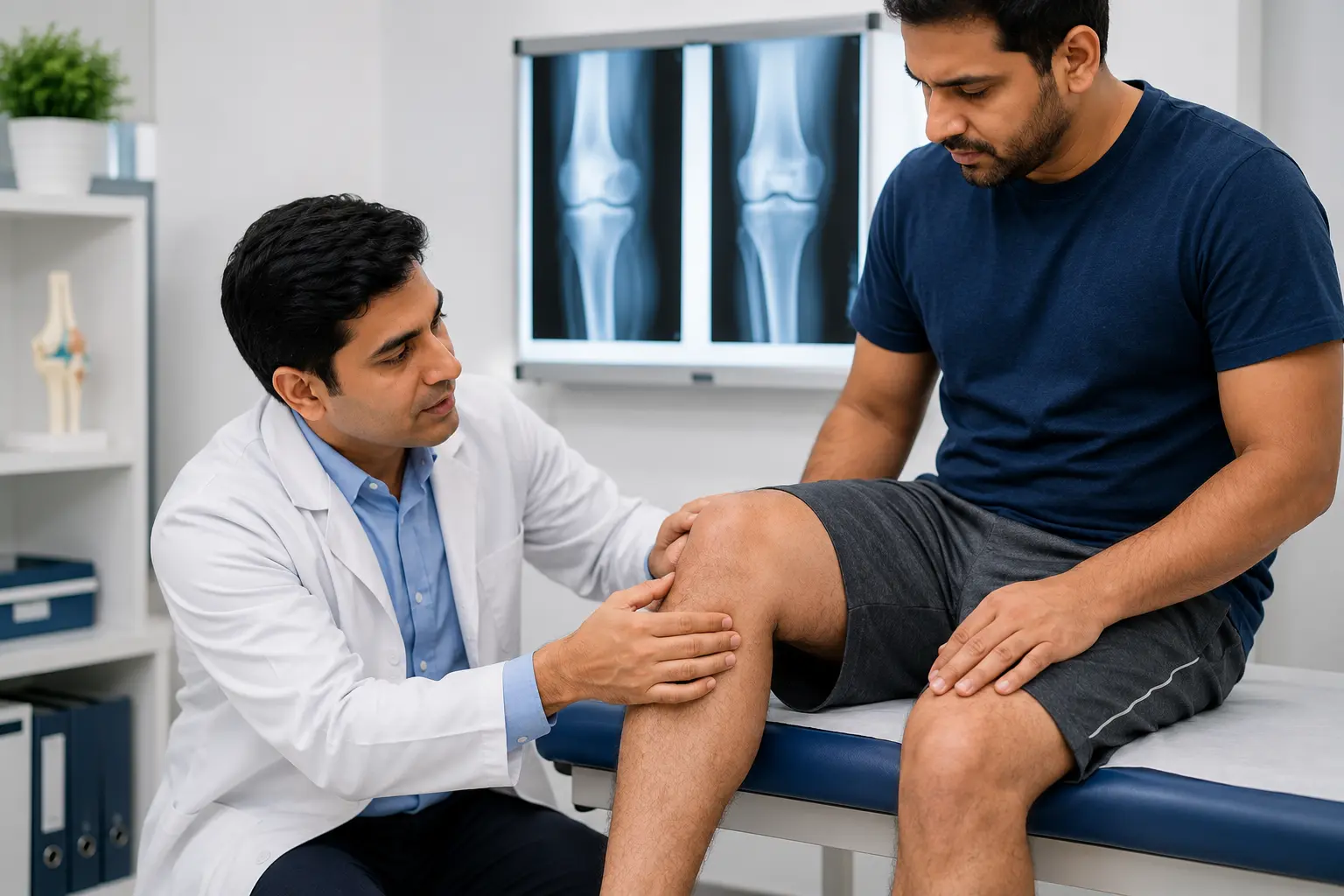
But when the pain became severe enough to disturb his sleep, his family convinced him to consult an orthopedic specialist.
That visit changed his life and introduced him to the possibility of Hip Replacement In Kandivali.
Understanding Hip Pain
The hip joint is one of the strongest joints in the human body. It supports our body weight, helps us walk, climb stairs, sit comfortably, and maintain balance.
When this joint becomes damaged, everyday activities can become painful.
Many patients who seek Hip Replacement In Kandivali experience pain for several years before consulting a doctor. They often believe the pain will disappear with rest or medicines.
Unfortunately, certain conditions gradually damage the hip joint and may require advanced treatment.
What Causes Hip Problems?
Rajesh’s doctor explained that several conditions can damage the hip joint.
1. Osteoarthritis
This is the most common reason for hip replacement. The protective cartilage between the bones gradually wears away, causing pain and stiffness.
2. Rheumatoid Arthritis
Inflammation inside the joint damages the cartilage and bones.
3. Hip Fractures
Falls or accidents can cause severe damage.
4. Avascular Necrosis
When blood supply to the hip bone decreases, the bone begins to deteriorate.
5. Previous Injuries
Old injuries sometimes cause long-term joint damage.
Many patients seeking Hip Replacement In Kandivali suffer from one or more of these conditions.
Signs That Should Never Be Ignored
Rajesh experienced several symptoms before consulting his doctor.
- Pain while walking.
- Difficulty climbing stairs.
- Stiffness in the morning.
- Pain while sitting.
- Limping.
- Trouble sleeping.
- Reduced movement.
- Pain during standing.
These symptoms are common among patients considering Hip Replacement In Kandivali.
Ignoring these signs can affect mobility and quality of life.
The First Doctor Consultation
During his consultation, Rajesh felt nervous.
He worried that surgery would be painful. He feared a long recovery period. He wondered whether he would ever walk normally again.
The orthopedic specialist listened carefully to his concerns.
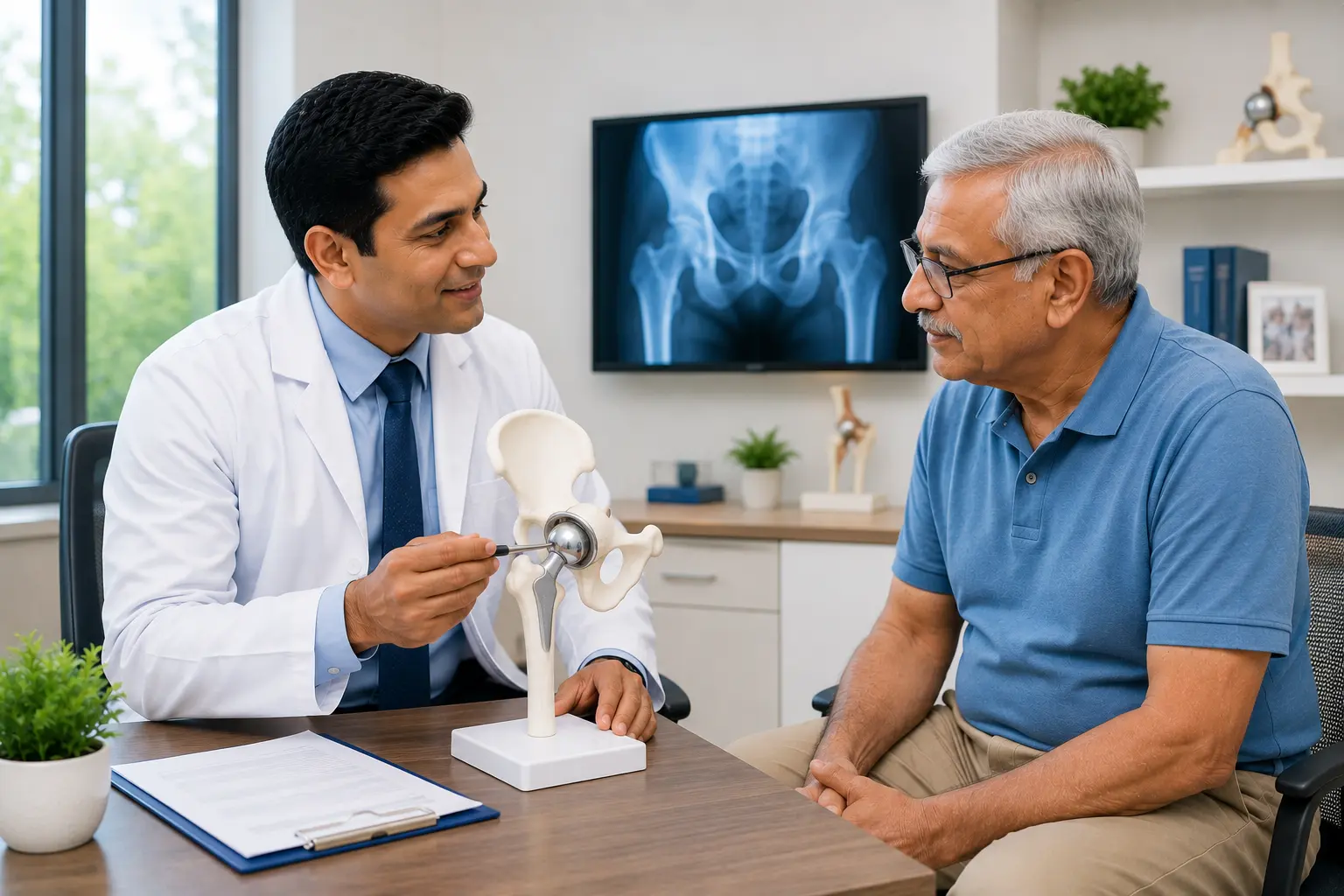
The doctor explained that modern Hip Replacement In Kandivali procedures are much safer than before and that thousands of patients regain mobility after surgery.
This conversation gave Rajesh hope.
How Doctors Diagnose Hip Problems
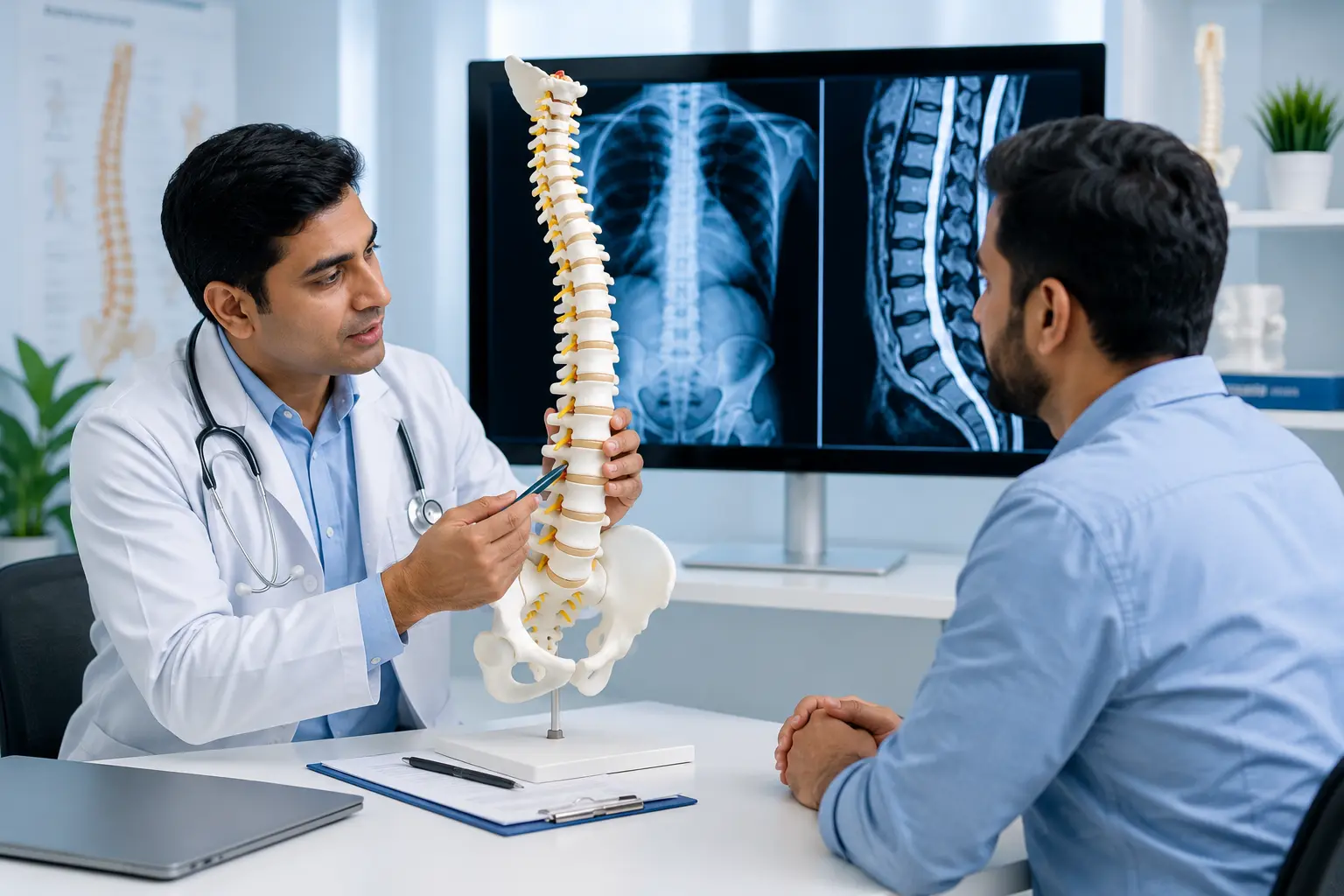
To understand the severity of the problem, doctors perform several evaluations.
1. Physical Examination
Doctors assess movement, flexibility, and pain.
2. X-rays
X-rays show the condition of the hip joint.
3. MRI Scans
MRI provides detailed images of soft tissues.
4. Blood Tests
These help identify inflammatory conditions.
Proper diagnosis helps doctors recommend the most suitable treatment for Hip Replacement In Kandivali.
What Is Hip Replacement Surgery?
Rajesh was surprised to learn that hip replacement surgery does not mean replacing the entire leg.
During the procedure, the damaged portions of the hip joint are removed and replaced with artificial implants.
These implants are designed to function like a natural hip joint.
The goal of Hip Replacement In Kandivali is to:
- Reduce pain.
- Improve mobility.
- Restore independence.
- Improve quality of life.
Types of Hip Replacement Surgery
Depending on the condition, doctors may recommend different procedures.
1. Total Hip Replacement
The entire joint is replaced.
2. Partial Hip Replacement
Only the damaged portion is replaced.
3. Revision Hip Replacement
Used when previous implants require replacement.
4. Minimally Invasive Hip Replacement
Smaller incisions and quicker recovery.
Specialists performing Hip Replacement In Kandivali carefully evaluate every patient before deciding the treatment.
Why Patients Delay Surgery
Rajesh admitted that he had delayed treatment for nearly three years. The American Academy of Orthopaedic Surgeons (AAOS) states that hip replacement surgery can improve quality of life and help patients return to daily activities.
Many patients fear:
- Surgery.
- Pain.
- Hospitalization.
- Recovery time.
- Cost.
However, delaying treatment may lead to:
- Increased joint damage.
- Muscle weakness.
- Reduced mobility.
- Higher pain levels.
Early consultation for Hip Replacement In Kandivali can help patients make informed decisions.
Modern Technology Has Changed Hip Surgery
Today’s orthopedic treatments are very different from older surgical methods.
Modern hospitals use:
- Digital imaging.
- Advanced implants.
- Computer-assisted surgery.
- Precision instruments.
- Better anesthesia techniques.
These advancements make Hip Replacement In Kandivali safer and more effective.
What Happens During Surgery?
The surgery generally takes one to two hours.
During the procedure:
- Damaged portions of the joint are removed.
- Artificial implants are inserted.
- The joint is tested for movement.
- The incision is closed.
Modern surgical techniques focus on minimizing complications and improving recovery.
The First Day After Surgery
Rajesh expected to remain in bed for several weeks.
However, his physiotherapist encouraged him to stand and take a few steps the very next day.
He was surprised.
Although there was some discomfort, the severe pain he had experienced before surgery had already started reducing.
Many patients undergoing Hip Replacement In Kandivali begin walking with assistance within one or two days.
Importance of Physiotherapy
Physiotherapy plays an important role in recovery.
Benefits include:
- Stronger muscles.
- Better balance.
- Improved movement.
- Faster recovery.
- Reduced stiffness.
Patients who actively participate in rehabilitation often recover faster after Hip Replacement In Kandivali.
Recovery Journey
1. First Week
Patients begin walking with support.
2. First Month
Movement improves gradually.
3. Three Months
Most patients return to normal activities.
4. Six Months
Patients often experience significant improvement.
Recovery after Hip Replacement In Kandivali depends on age, overall health, and commitment to rehabilitation.
Benefits of Hip Replacement Surgery
Rajesh noticed several changes after recovery.
1. Reduced Pain
The constant pain had disappeared.
2. Better Sleep
He could finally sleep peacefully.
3. Improved Mobility
Walking became easier.
4. Increased Confidence
He started going outside again.
5. Better Quality of Life
He returned to family gatherings and morning walks.
These benefits make Hip Replacement In Kandivali a life-changing treatment for many patients.
Tips to Protect Your Hip Joints
Even after surgery, maintaining healthy habits is important.
- Maintain a healthy weight.
- Exercise regularly.
- Eat nutritious food.
- Avoid falls.
- Wear supportive footwear.
- Follow medical advice.
These habits help maintain joint health.
When Should You Visit a Specialist?
You should consult a doctor if:
- Pain lasts for several months.
- Walking becomes difficult.
- Pain disturbs sleep.
- Daily activities become difficult.
- Medicines no longer help.
Early evaluation can prevent further damage.
Frequently Asked Questions
Is hip replacement surgery safe?
Yes. Modern surgical techniques have made the procedure very safe.
How long does surgery take?
Usually one to two hours.
When can I walk?
Most patients begin walking within one or two days.
How long do implants last?
Many implants last 15 to 20 years or longer.
Is physiotherapy necessary?
Yes. It is essential for recovery.
Can elderly patients undergo surgery?
Many elderly patients successfully undergo hip replacement after proper evaluation.
Will I be able to return to normal life?
Most patients return to their daily activities after recovery.
Conclusion
A few months after his surgery, Rajesh returned to his morning walks.
He once again visited the market, met his friends, and attended family functions. The pain that had controlled his life for years was finally gone.
His journey reminds us that living with severe hip pain is not something anyone should accept as a normal part of aging.
Modern Hip Replacement In Kandivali offers patients the opportunity to reduce pain, regain mobility, and enjoy life again. With experienced orthopedic specialists, advanced technology, and proper rehabilitation, many patients can return to their normal routines with confidence and comfort.
Sometimes, the first step toward recovery begins with the decision to seek help.