When Every Second Matters
A medical emergency rarely gives you time to prepare. A sudden chest pain, difficulty breathing, loss of consciousness, stroke symptoms, a serious accident, or uncontrolled bleeding can turn an ordinary day into a frightening situation within minutes.
During such moments, families are often left asking the same questions: Where should we go? Will emergency care be available immediately? Is there an ICU? Are experienced doctors available at night?
This is why having access to a reliable 24×7 Emergency Hospital In Kandivali can make an important difference. Emergency care is not simply about having a hospital open around the clock. It requires trained medical professionals, monitoring equipment, emergency resuscitation facilities, critical care support and coordination between different specialties.
Located in Kandivali West, Mumbai, RMS Multispeciality Hospital provides 24×7 emergency and critical care support, including a 13-bed ICU and ICCU designed for patients who require intensive monitoring and timely intervention.
About RMS Multispeciality Hospital
RMS Multispeciality Hospital is a multispeciality healthcare facility serving patients in Kandivali West and surrounding areas of Mumbai.
The hospital provides emergency and critical care alongside specialties including cardiology, neurology and neurosurgery, orthopaedics, spine care, surgery and nephrology-related services.
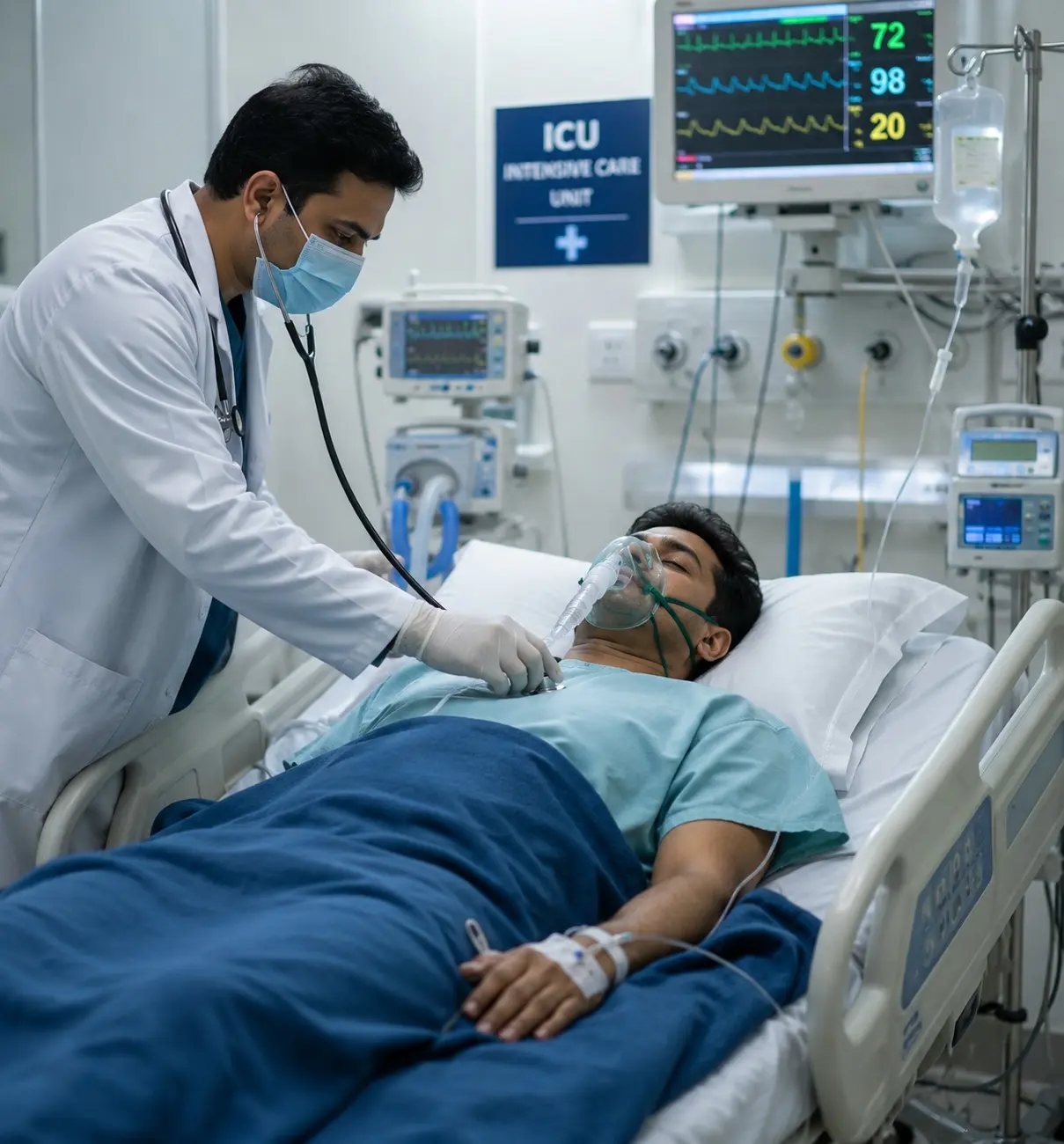
Its critical care setup includes a 13-bed ICU and ICCU, advanced multiparameter monitoring, ventilator support, emergency resuscitation equipment and round-the-clock critical care support.
The focus is not only on treating the immediate medical problem but also on coordinating care when a patient’s condition requires multiple specialists.
What Does a 24×7 Emergency Hospital In Kandivali Provide?
A 24×7 Emergency Hospital In Kandivali is a hospital equipped to receive and manage urgent and potentially life-threatening medical conditions at any time—day or night.
Emergency care may be required for conditions such as:
- Sudden chest pain or suspected heart attack
- Difficulty breathing or severe breathlessness
- Stroke symptoms
- Loss of consciousness
- Severe infections or sepsis
- Serious injuries and trauma
- Uncontrolled bleeding
- Severe diabetic emergencies
- Acute kidney problems
- Poisoning or drug overdose
- Post-operative complications
- Cardiac arrhythmias
- Multi-organ complications
The important point is that emergency care should begin quickly. In serious situations, waiting at home or delaying medical evaluation can increase the risk of complications.
Key Benefits of Emergency Care at RMS
Choosing an Emergency Hospital in Kandivali with critical-care facilities under the same roof can offer several practical advantages.
- 24×7 emergency availability: Medical emergencies can happen at any hour.
- 13-bed ICU and ICCU: Critically ill patients can receive intensive monitoring and support.
- Ventilator support: Available when patients require mechanical assistance with breathing.
- Advanced monitoring: Multiparameter monitors help the medical team continuously track vital signs.
- Emergency resuscitation setup: Equipment such as defibrillators and crash carts supports emergency response.
- Multispeciality coordination: Emergency patients can be evaluated with support from relevant specialties.
- 24×7 pharmacy: Helps provide access to essential and emergency medications.
- Basic life support ambulance: Supports safer patient transfers when required.
Why Choose a 24 Hour Emergency Hospital in Kandivali?
When an emergency occurs, travelling from one facility to another can be stressful and, in some cases, medically challenging.
A 24 Hour Emergency Hospital in Kandivali with emergency, ICU and multispeciality services can help streamline the initial evaluation and treatment process.
For example, a patient arriving with severe chest pain may need immediate assessment, monitoring and cardiac care. A person with sudden weakness or slurred speech may require urgent neurological evaluation. Someone involved in an accident may need trauma stabilization followed by surgical or orthopaedic assessment.
At RMS, the emergency and critical care teams can coordinate with specialties such as cardiology, neurology, surgery and nephrology according to the patient’s needs.
How Does Emergency Treatment Work?
Emergency treatment is not one fixed procedure. It depends on the patient’s symptoms and condition.
Step 1: Immediate Assessment
The medical team first assesses the patient’s condition, including vital signs, level of consciousness, breathing and circulation.
Step 2: Stabilization
If the patient is unstable, immediate measures may be taken to support breathing, circulation or other critical functions.
Step 3: Diagnostic Evaluation
Depending on the emergency, doctors may recommend blood tests, monitoring, imaging or other investigations to understand what is causing the problem.
Step 4: Specialist Evaluation
Some emergencies require specialist involvement. For example, cardiac symptoms may require cardiology support, while stroke symptoms may require neurological assessment.
Step 5: Treatment and Monitoring
Treatment is started according to the diagnosis and severity. Patients who require continuous observation may be shifted to the ICU or ICCU.
Step 6: Further Care
Once the immediate emergency is controlled, doctors determine whether the patient needs continued ICU care, hospitalization, surgery, rehabilitation or another form of treatment.
Who May Need Emergency Hospital Care?
Emergency care is appropriate when a person develops symptoms that could indicate a serious or life-threatening condition.
Seek immediate medical attention for symptoms such as:
- Sudden or severe chest pain
- Difficulty breathing
- Fainting or unresponsiveness
- Sudden weakness on one side of the body
- Slurred speech or difficulty speaking
- Severe bleeding
- Serious accident or traumatic injury
- Seizures
- Severe confusion
- Very high fever with altered consciousness
- Severe dehydration
- Serious diabetic symptoms
- Suspected poisoning or overdose
Not every unusual symptom requires an ICU admission. However, when symptoms are sudden, severe or rapidly worsening, professional emergency evaluation is safer than waiting for them to resolve at home.
The Role of ICU & Critical Care in Emergencies
The ICU becomes particularly important when a patient’s condition requires continuous monitoring or advanced support.
At RMS Multispeciality Hospital, the 13-bed ICU and ICCU is equipped for patients with serious conditions including acute heart attacks, cardiac arrhythmias, neurological emergencies, respiratory failure, sepsis, acute kidney failure, trauma and multi-organ dysfunction.
The unit includes advanced multiparameter monitoring and ventilator support. Emergency resuscitation equipment is also available for situations where rapid intervention is required.
Critical care is not simply about machines. Doctors and nurses continuously assess the patient’s condition, interpret changes in vital signs and adjust treatment according to the patient’s response.
Effectiveness & Outcomes: Why Early Emergency Care Matters
Emergency medicine focuses on recognizing serious conditions quickly, stabilizing the patient and preventing further deterioration.
The timing of treatment can be particularly important in conditions such as stroke and heart attack, where delays may affect outcomes. Similarly, severe infections, respiratory failure and major trauma can worsen quickly without appropriate medical attention.
For this reason, people should not wait for severe symptoms to become unbearable before seeking help.
A 24×7 Emergency Hospital In Kandivali can provide an important local access point for urgent medical assessment and stabilization when every minute feels important.
However, no hospital can guarantee a particular outcome. Results depend on the patient’s condition, severity, underlying health, timing of treatment and response to therapy.
Risks and Important Considerations
Emergency treatment can involve investigations, medications, procedures, surgery, ICU admission or ventilator support depending on the condition.
These treatments can carry risks, particularly in critically ill patients. ICU patients may also require invasive monitoring, prolonged hospitalization or multiple interventions.
Families should understand that emergency medicine is often about balancing risks and benefits quickly.
If a patient is unconscious, severely breathless, experiencing chest pain, showing stroke symptoms or suffering major trauma, delaying treatment because of concerns about possible hospital procedures can itself be dangerous.
Emergency Care vs Waiting at Home or Visiting a Routine Clinic
A routine clinic visit may be suitable for mild or non-urgent health concerns. Emergency care is different.
| Situation | More Appropriate Care |
| Mild, stable symptoms | Routine doctor consultation |
| Symptoms requiring same-day evaluation | Urgent medical assessment |
| Sudden severe chest pain | Emergency care |
| Stroke-like symptoms | Immediate emergency care |
| Severe breathlessness | Emergency care |
| Major trauma | Emergency/trauma evaluation |
| Loss of consciousness | Emergency evaluation |
| Critical illness requiring continuous monitoring | Hospital/ICU care |
The goal is not to visit an emergency department for every minor complaint. The goal is to recognize potentially dangerous symptoms and avoid unnecessary delays.
Cost of Emergency Treatment in Kandivali
The cost of emergency treatment varies significantly depending on the patient’s condition and the treatment required.
For example, the final bill may depend on:
- Emergency consultation and evaluation
- Diagnostic tests
- Medicines and consumables
- ICU or ICCU admission
- Ventilator support
- Procedures or surgery
- Specialist consultations
- Length of hospitalization
- Nursing and monitoring requirements
Because emergency treatment is highly individualized, giving one fixed price would be misleading. Patients and families should discuss the estimated expenses with the hospital billing or insurance desk based on the treatment required.
RMS Multispeciality Hospital also provides cashless treatment options with applicable insurance providers, subject to the individual policy and authorization requirements.
What Should You Do During a Medical Emergency?
When a serious medical emergency happens, staying calm can be difficult—but a few practical steps can help.
Before Reaching the Hospital
- Seek emergency medical help promptly.
- Do not delay because symptoms temporarily improve.
- Carry the patient’s identification and medical records if readily available.
- Bring a list of regular medicines, if possible.
- Inform the hospital about known allergies or major medical conditions.
- Avoid giving food or medicines unless medically advised, especially if the patient is unconscious or may require a procedure.
After Emergency Treatment
Once the patient is stabilized:
- Follow the doctor’s medication instructions.
- Attend recommended follow-up appointments.
- Ask questions if you do not understand the treatment plan.
- Monitor warning symptoms explained by the medical team.
- Follow dietary, activity or rehabilitation advice when applicable.
Is Hospitalization Always Required?
No. Not every person visiting an emergency department needs to be admitted.
After evaluation, doctors may determine that the patient can safely return home with medication and follow-up instructions.
However, patients with serious conditions may require hospitalization or ICU admission for continuous monitoring and treatment.
At RMS, the need for admission depends on the patient’s medical condition, response to initial treatment and the level of care required.
Why Choose RMS Multispeciality Hospital for Emergency Care?
When choosing an Emergency and Critical Care Hospital in Kandivali, accessibility is only one factor. The availability of appropriate infrastructure and specialist support is equally important.
RMS Multispeciality Hospital offers:
- 24×7 emergency and critical care support
- 13-bed ICU and ICCU
- Trained doctors and critical-care nursing staff
- Advanced multiparameter monitoring
- Ventilator support
- Emergency resuscitation equipment
- 24×7 pharmacy
- In-house laboratory support for critical parameters
- Basic life support ambulance
- Coordination across multiple specialties
- Infection-control and sterilization protocols
The hospital’s approach combines medical monitoring with regular communication with families, helping them understand the patient’s condition and ongoing care.
For patients and families in Kandivali West, Borivali, Malad, Goregaon and nearby areas, having access to multispeciality emergency and critical care services can provide reassurance when an unexpected medical situation occurs.
Conclusion
A medical emergency is never convenient, and it can be especially stressful when you are unsure where to take a loved one.
The right 24×7 Emergency Hospital In Kandivali should be prepared to respond to serious conditions at any hour, with trained medical teams, emergency equipment, critical care facilities and access to specialist support.
RMS Multispeciality Hospital in Kandivali West provides 24×7 emergency and critical care services supported by a 13-bed ICU and ICCU, advanced monitoring, ventilator support, emergency resuscitation equipment and multispeciality coordination.
Most importantly, do not ignore sudden or severe symptoms. In an emergency, timely professional evaluation can be far more important than waiting to see whether the symptoms improve.
If you or someone around you is experiencing a serious or potentially life-threatening medical emergency, seek immediate medical attention.
RMS Multispeciality Hospital provides round-the-clock emergency and critical care support in Kandivali West, Mumbai. Contact the hospital for emergency assistance, medical evaluation or guidance regarding the appropriate level of care.
FAQs About 24×7 Emergency Hospitals in Kandivali
1. Which is a 24×7 Emergency Hospital In Kandivali?
RMS Multispeciality Hospital in Kandivali West provides 24×7 emergency and critical care services for patients requiring urgent medical attention.
2. Does RMS Multispeciality Hospital have an ICU?
Yes. RMS has a 13-bed ICU and ICCU for critically ill patients requiring continuous monitoring and intensive care.
3. What emergencies can be treated at RMS?
The critical care team manages serious conditions including heart attacks, cardiac arrhythmias, stroke and neurological emergencies, respiratory failure, severe infections, diabetic emergencies, acute kidney failure, trauma and multi-organ complications.
4. Is emergency care available at night?
Yes. RMS provides 24×7 emergency and critical care support, allowing patients to seek emergency medical attention at any time.
5. Does RMS have ventilator support?
Yes. Ventilator support is available as part of the hospital’s critical care infrastructure for patients who require mechanical breathing assistance.
6. Does the hospital have emergency resuscitation equipment?
Yes. The ICU and ICCU setup includes emergency resuscitation equipment such as defibrillators and crash carts.
7. When should I take someone to an emergency hospital?
Seek immediate medical attention for symptoms such as sudden chest pain, severe breathlessness, loss of consciousness, stroke symptoms, uncontrolled bleeding, seizures, serious trauma or rapidly worsening illness.
8. Does every emergency patient need ICU admission?
No. ICU admission depends on the patient’s condition and the level of monitoring or treatment required. Doctors decide this after evaluating the patient.
9. Is there a pharmacy available at RMS?
Yes. RMS Multispeciality Hospital has a 24×7 pharmacy to support uninterrupted access to essential and emergency medications.
10. Where is RMS Multispeciality Hospital located?
RMS Multispeciality Hospital is located in Kandivali West, Mumbai, making it accessible to patients from Kandivali and nearby areas.